Moisture, materials and verified drying
Mold Remediation in Sahuarita, AZ
Mold growth on building materials is a moisture problem first. The work that lasts starts by finding the water, then contains the area, removes the affected materials, dries what remains and confirms it with readings before anything is rebuilt.
Describe what you're seeing and where. We'll take it from there.
Mold Concern? Call (520) 650-1359- Available 24/7
- Emergency response
- Upfront pricing before work begins
- No hidden fees
- Workmanship guarantee on completed work
- Crews familiar with Santa Cruz Valley homes
The problem
Mold growth starts where water lingers
Mold needs moisture and something to grow on. Drywall paper, wood framing, carpet pad, cabinet backs and ceiling insulation all qualify. When those materials stay wet, growth can follow. When they're dried, it stops having what it needs.
That's why the first question in any mold job isn't about the mold. It's about where the water came from, whether it's still coming, and how far it spread through the building materials.
What owners typically notice
- A musty smell in a closet, cabinet or room that doesn't clear with airing out.
- Spotting or discoloration on drywall, baseboards or the underside of a sink cabinet.
- Bubbling or peeling paint low on a wall or on a ceiling.
- Growth found when a baseboard, cabinet or appliance is moved.
- Staining on the ceiling below a rooftop cooler or flat roof section.
Local conditions
Where it shows up in Santa Cruz Valley homes
Open desert air is dry, and most surfaces in a Sahuarita home dry quickly once water stops. Growth here is usually tied to water that was hidden, slow or trapped rather than to general humidity.
- Under sinks and behind appliances: slow drips from supply lines, dishwashers and refrigerator lines that went unnoticed.
- Ceilings below evaporative coolers: a leaking pan or float valve can wet insulation and drywall for a long time before a stain appears.
- Exterior walls under parapets: monsoon water getting behind stucco can wet the inside of the wall cavity.
- Along the slab: water that spread under flooring and wicked into bottom plates and baseboards.
- Empty seasonal homes: a leak in a closed house through summer has time to spread before anyone sees it.
Growth comes back if the water does. Finding it comes first.
Get the Moisture Source FoundWhy drying matters
Drying is the part that prevents a repeat
Removing visible growth without fixing the moisture only resets the clock. The leak has to be repaired by the appropriate trade, whether that's a plumber, roofer or cooler technician, and the surrounding materials have to be dried and measured.
Moisture left in building materials can allow mold growth, commonly within a day or two under the right conditions. Growth causes material damage and odor, which is why fast, measured drying after any leak matters. Anyone with health concerns should speak to a medical professional.
The dry climate helps once the source is fixed. Framing and drywall that remain after removal usually dry well with directed air and dehumidification, and readings confirm when they're back to normal for the house.
The work
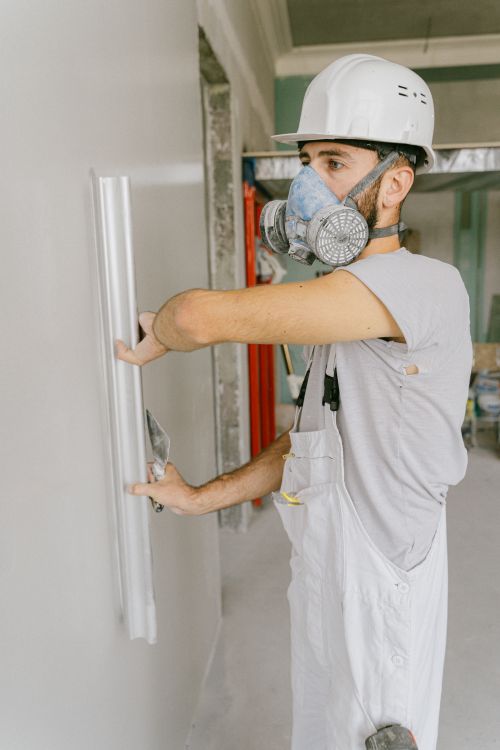
Containment and removal of affected materials
The aim is to take out what's affected without spreading material into clean parts of the house.
- Containment: the work area is closed off with plastic sheeting and zipper doors, and air is filtered and exhausted so dust from the work stays inside the contained space.
- Protecting the rest of the house: floors along the path are protected with sheeting, and heating and cooling vents in the area are sealed off during the work.
- Removal: porous materials with growth, such as drywall, insulation, carpet pad and particleboard, are cut out and bagged inside the containment.
- Cleaning: framing and other solid materials that stay are cleaned, and the area is vacuumed with filtered equipment.
- Drying: the remaining materials are dried and measured before anything is closed up.
How much comes out depends on how far the moisture traveled, which is why the moisture map comes before the demolition.
How the work area is kept separate from the rest of the house.
Ask About ContainmentBefore the crew arrives
What not to do
- Don't paint over it: paint hides staining for a while but doesn't dry the wall or remove affected material.
- Don't soak it with cleaner: spraying and scrubbing drywall adds more water to a material that's already wet.
- Don't run a fan across it: blowing air over growth can carry material into other rooms.
- Don't close anything up: leave cabinets, baseboards and access panels open so the crew can see how far it goes.
- Do stop the water: if a leak is still active, shut off the supply to that fixture or the main.
Why containment and verification set the timeline
The size of the affected area, how many materials are involved, how hard it is to reach, and what has to be rebuilt afterward all shape the job. A patch under one sink cabinet is a small project. A ceiling below a long-running cooler leak, with insulation and drywall to remove, is a larger one. Drying after removal commonly adds a few days.
Before containment comes down, the crew takes final moisture readings on the affected materials and compares them with dry reference readings from unaffected parts of the house. Rebuilding waits until those numbers match, so the conditions that allowed growth aren't sealed back inside the wall.
The price is set out before anything is removed. For insurance questions, only your insurer can say how your own policy applies; the contractor can document the work performed with photos and readings.
Verification and what comes next
Before containment comes down, the crew checks the area visually and with moisture readings. Remaining materials should read dry against the unaffected parts of the house, and no affected material should remain. Some owners also hire an independent inspector at this stage; the crew can coordinate access if you do.
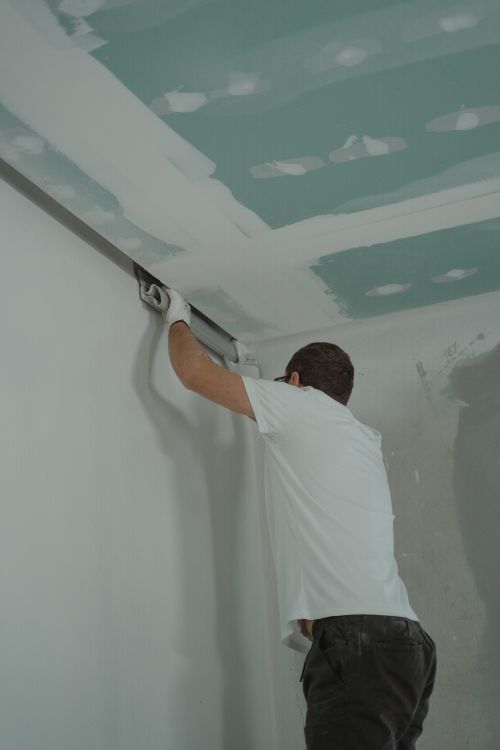
Then the space is rebuilt: new drywall, insulation, cabinets or flooring as needed, finished to match. The lasting fix is keeping that area dry, which is why the repair of the original leak and a follow-up check are part of the plan.
How the work is done
How mold remediation is done
Water first, then containment, removal and proof of dryness.
Find the moisture
Readings show where the water is and how far it spread.
Fix the source
The leak is repaired by the right trade before remediation starts.
Contain the area
Sheeting, sealed vents and filtered exhaust keep the work separate.
Remove affected materials
Porous materials with growth are cut out and bagged.
Clean and dry
Remaining framing is cleaned, then dried with directed air and dehumidifiers.
Verify, then rebuild
Readings confirm dryness before the area is closed and finished.
What's removed, what's cleaned and why. Pricing before work begins.
Talk Through What Has to Come OutMold remediation questions
What causes mold growth after a leak?
Moisture left in building materials. When drywall, wood or insulation stays wet, growth can follow. Drying and fixing the source are what stop it.
Can I just clean it and paint over it?
Paint hides it for a while but doesn't dry the material or remove what's affected. It usually comes back if the moisture remains.
Does all the drywall have to come out?
Only the affected section, cut back to where readings and inspection show clean, dry material.
Why is containment needed?
It keeps dust and debris from the work inside the work area so it isn't spread into clean rooms.
Does the color of the growth change the work?
No. The approach is the same: find the moisture, contain, remove affected materials, dry and verify.
Is mold common in a desert climate?
Less so in open air, but it occurs wherever water is hidden or lingers, such as under sinks, below cooler leaks and in empty homes.
Do I need testing first?
Some owners choose it. The core of the work stays the same either way: fix the moisture and remove affected materials.
How long does remediation take?
Small areas can be done quickly. Larger areas take longer, and drying after removal commonly adds a few days.
Can I stay in the house during the work?
That's your decision to make. The crew will explain how the work area is contained and what to expect while it runs.
Who fixes the leak that caused it?
The appropriate trade, such as a plumber, roofer or cooler technician. The restoration crew handles the materials and drying.
Related moisture and repair services
-
Moisture Detection & Inspection
Meters and thermal imaging to find hidden moisture. -
Structural Drying & Dehumidification
Drying planned for desert air and confirmed with readings. -
Odor Removal & Deodorization
Dealing with the musty smell a water loss leaves behind. -
Drywall Water Damage Repair
Removing wet drywall, drying the cavity, rebuilding. -
Evaporative Cooler Leak Damage
Float valve, pan and supply line failures over ceilings. -
Reconstruction & Repairs
Putting drywall, floors and finishes back after drying.
Found growth? Start with the water behind it.
A local crew, a contained workspace and upfront pricing.
A local crew and a plain explanation of the work.
Call About Mold Remediation