Leaks under the concrete
Slab Leak Water Damage in Sahuarita, AZ
A slab leak is a supply line leaking under or inside the concrete your house sits on. The plumbing repair is one decision; the water already spread across the slab and into flooring and walls is another. Here's how both usually play out in the Santa Cruz Valley.
Talk to someone who can explain what happens next, in plain terms.
Slab Leak? Call (520) 650-1359- Available 24/7
- Emergency response
- Upfront pricing before work begins
- No hidden fees
- Workmanship guarantee on completed work
- Crews familiar with Santa Cruz Valley homes
First hour
What to do right now if you suspect a slab leak
A slab leak rarely gushes. These steps help confirm it and limit what gets wet.
-
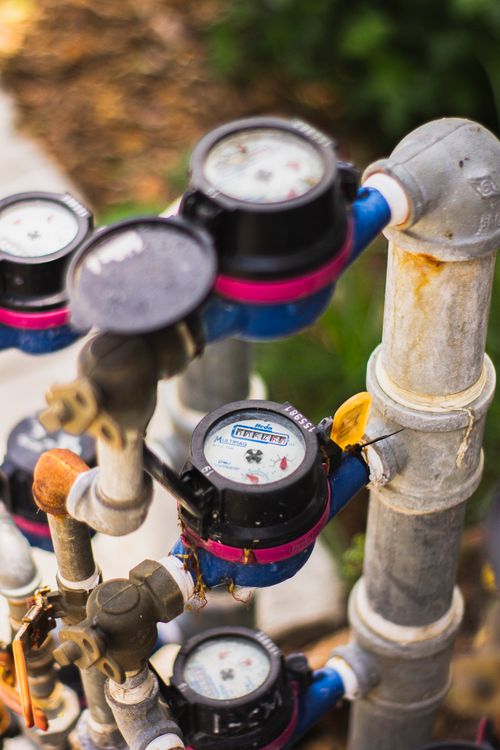
Check the meter
Turn off every fixture and appliance that uses water, then watch the meter. If it keeps moving, water is going somewhere.
-
Close the main shut-off
If you've confirmed a leak and can't find it, closing the main stops further spread until a plumber arrives.
-
Feel for warm spots
A hot water line leaking under the slab often makes a patch of floor feel warm underfoot.
-
Keep clear of electrical
If water is near outlets or panels, do not enter and call your utility and emergency services.
-
Photograph the floor
Damp grout lines, lifted laminate, wet carpet edges, and any cracks. Dated photos help later.
-
Call a plumber and a restoration crew
The plumber locates and fixes the leak. The restoration crew measures and dries what the water reached.
Unsure how far it's spread? Readings will show it.
Get the Floor Checked for MoistureThe problem
What a slab leak is, and why it's easy to miss
Homes in Sahuarita and across the valley are built slab-on-grade: the floor is a concrete slab poured directly on prepared ground. Depending on when and how a house was plumbed, some supply lines may run under or within that slab, while others run overhead through the attic. Homes with lines under the slab are the ones that can develop slab leaks.
When one of those lines develops a leak, water comes up through the slab slowly, finds joints and cracks, and spreads sideways under flooring. It can be weeks before anyone sees it on the surface.
What owners typically notice
- A water bill that's higher than usual with no change in use.
- The sound of running water when everything is off.
- A warm spot on the floor, often near the kitchen or a bathroom.
- Grout lines that stay dark, or tiles that sound hollow.
- Laminate or vinyl plank edges lifting or feeling soft.
- Damp carpet or baseboards along an interior wall.
Local conditions
Slab leaks in Santa Cruz Valley homes
Sahuarita incorporated in 1994 and most of its homes are modern, so slab leaks here are generally not about old pipe. When they happen, likely contributors include fittings and joints under the slab, lines that rub against concrete or rebar as they expand and contract with temperature, high water pressure, and occasional installation defects.
Hard water plays a part in how plumbing ages here, and high summer temperatures mean hot and cold lines see real swings. Neither guarantees a leak; both are reasons a leak can appear in a house that isn't old.
The ground matters too. Much of the valley has caliche, a hard, cemented soil layer that affects how water moves around and under a foundation. It also makes any excavation slower and harder than people expect, which is part of why many owners prefer rerouting over digging.
We'll help you understand the options before you commit to one.
Talk Reroute vs. Repair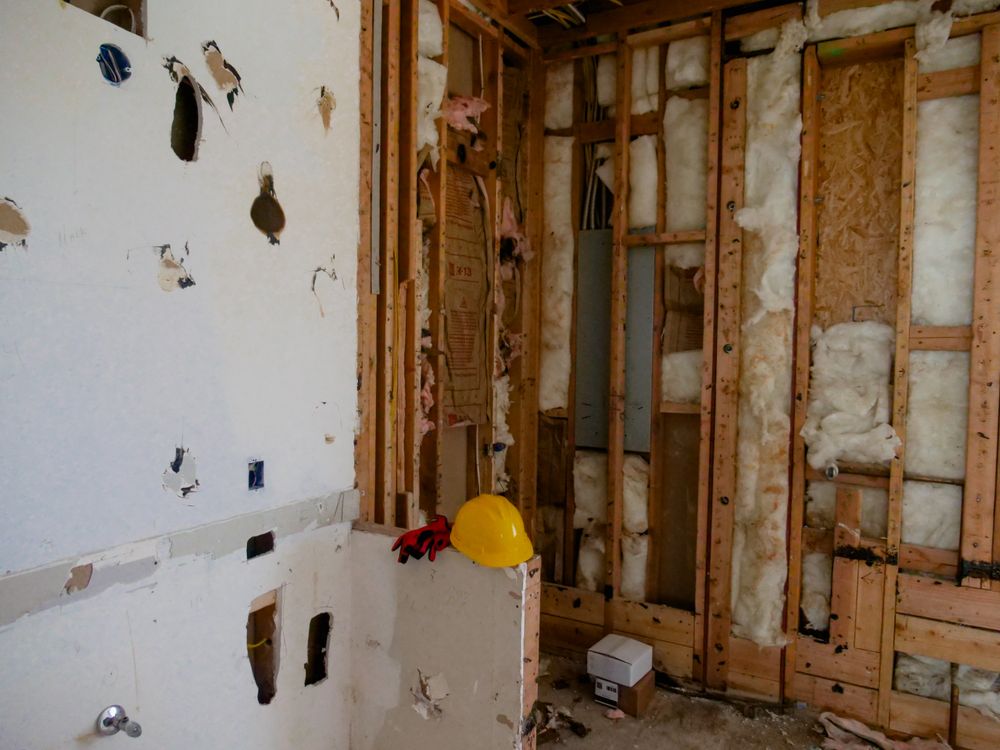
The real decision
Reroute or open the slab
Once a plumber has located the leak, there are usually two ways to repair it. The choice is the plumber's recommendation and yours, but it affects the restoration work, so it helps to understand both.
Rerouting the line
The leaking section is abandoned and a new line is run another way, usually through walls and the attic. The slab isn't opened. Drywall access holes are cut and patched afterward. This is often preferred when the leak is under finished flooring or a hard-to-reach area, or when more than one leak has occurred on the same line.
Opening the slab
Flooring is removed, the concrete is cut and broken out over the leak, the line is repaired, and the slab is patched. It's direct, but it means flooring repairs and dust, and caliche under the slab can slow the digging. It can make sense for a single, accessible leak.
Either way, the water that already escaped needs to be measured and dried: the slab surface, the flooring, and the bottom of any walls it reached.
| Reroute | Repair through the slab | |
|---|---|---|
| What the plumber does | Runs a new line through walls or the attic and leaves the old one under the concrete unused | Opens the flooring and concrete over the leak, repairs the line and patches the slab |
| Floors | Usually left in place | A section is removed and has to be matched or replaced |
| Caliche | Not a factor | Can make digging under the slab slower than expected |
| Water already spread | Still measured and dried | Still measured and dried |
| Who decides | You, on the plumber’s recommendation | You, on the plumber’s recommendation |
Every job is priced upfront, before work begins.
Ask About Drying Under TileReroute or open the slab: what drives the restoration side
The restoration side depends on how long the leak ran, how far water spread across the slab, the flooring types involved, and whether walls wicked water up. A leak caught early might mean drying one room; one that ran for weeks can reach several rooms under continuous flooring.
Tile over a wet slab can often be dried in place with the right equipment. Laminate and some vinyl planks trap water beneath them and may need to be lifted. Carpet pad is usually replaced. Drying commonly takes a few days, and concrete can take longer than surface materials.
The plumbing repair is priced by the plumber; the restoration work is priced upfront by the crew. For insurance questions, only your insurer can say how your policy applies; the contractor can provide documentation of the work performed.
Once the leak is fixed and the slab is dry
Once the leak is fixed and the slab and walls are dry, flooring and drywall are repaired. If flooring runs continuously through several rooms, matching a replacement section can be tricky; our tile and laminate floor page covers the options.
If a house has had one slab leak, it's worth asking the plumber about water pressure and whether a pressure regulator is working. A leak detector near the water heater or an automatic shut-off valve gives earlier warning next time.
How the work is done
How slab leak water damage is handled, step by step
The plumber and the restoration crew each have their part.
Locate the leak
A plumber uses pressure testing and acoustic or thermal tools to find the leak under the slab.
Map the moisture
The restoration crew measures the slab, flooring and wall bottoms to see how far the water spread.
Repair the line
The plumber reroutes the line or opens the slab and repairs it.
Lift what traps water
Laminate, some vinyl plank and wet carpet pad may be lifted so the slab can dry.
Dry the slab and walls
Air movers and dehumidifiers are placed, with targeted drying for wall cavities.
Confirm and restore
Readings are compared with unaffected areas before flooring and drywall are repaired.
Crews here work on slab-on-grade homes every week.
Call a Crew Familiar With SlabsSlab leak questions
How do I know if I have a slab leak?
Common signs are a rising water bill, the sound of running water with everything off, a warm spot on the floor, and a water meter that keeps moving when nothing is running. A plumber can confirm it with pressure testing.
Can a slab leak happen in a newer house?
Yes. Slab leaks aren't limited to old homes. Fittings, lines rubbing against concrete, high water pressure and installation defects can all play a part in newer construction.
Is rerouting better than opening the slab?
Neither is always better. Rerouting avoids breaking concrete and flooring; opening the slab can make sense for one accessible leak. Your plumber will recommend an approach for your house.
Why is digging under the slab so slow here?
Much of the valley has caliche, a hard, cemented soil layer. It takes more effort to break through than ordinary soil, which slows any excavation.
Can tile be dried without removing it?
Often. With the right equipment, water under tile and in the slab can be dried in place. Loose or hollow tiles may need resetting afterward.
Does laminate have to come up?
Frequently, because laminate traps water against the slab and swells at its edges. The crew will check readings plank by plank before deciding.
How long does a slab dry?
Concrete dries more slowly than surface materials. The crew monitors the slab until readings are back to normal before new flooring goes down.
Who fixes the pipe?
A plumber repairs the pipe. The restoration crew dries and repairs what the water reached.
Should I keep using water until the plumber arrives?
If you've confirmed a leak, closing the main shut-off limits further spread. You can open it briefly when you need water, then close it again.
Related slab and floor services
-
Tile & Laminate Floor Water Damage
Water trapped under hard flooring on a slab. -
Structural Drying & Dehumidification
Drying planned for desert air and confirmed with readings. -
Moisture Detection & Inspection
Meters and thermal imaging to find hidden moisture. -
Burst Pipe Water Damage
Split supply lines and failed fittings inside walls. -
Drywall Water Damage Repair
Removing wet drywall, drying the cavity, rebuilding. -
Reconstruction & Repairs
Putting drywall, floors and finishes back after drying.
Water coming up through the floor? Let's figure it out together.
A local crew that understands slab-on-grade homes.
Straight answers, no hidden fees.
Get Answers on Your Slab Leak