For owners who are away, and the people watching the house
Vacant & Seasonal Home Water Damage in Sahuarita and Green Valley, AZ
A leak in an occupied home gets noticed the same day. In a house that sits empty from spring to fall, the same leak can run for weeks. This page is for the owner getting ready to leave, the neighbor or house watcher who just found water, and the property manager or HOA trying to reach an owner who's out of state.
We can coordinate with your neighbor, watcher or manager on site.
Away From Home? Call (520) 650-1359- Available 24/7
- Emergency response
- Upfront pricing before work begins
- No hidden fees
- Workmanship guarantee on completed work
- Crews familiar with Santa Cruz Valley homes
First hour
Found water in a house that's been empty?
If you're the neighbor, house watcher, family member or manager who opened the door and found water, these steps help. You don't need to fix anything yourself.
-
Stay out if water is near power
If water is near outlets or panels, do not enter and call your utility and emergency services.
-
Shut off the water
The main shutoff in most homes here is in the garage or on an exterior wall near the front hose bib. There's a second valve in the meter box at the street.
-
Take photos
Photograph each wet area, the ceiling above it, and anything that looks like the source, before anything is moved.
-
Reach the owner
Call or text the owner with what you found and the photos. If there's an HOA or property manager, let them know too.
-
Call us
We can talk with you and the owner, arrange a crew and explain pricing to the owner before work begins.
You don't have to be the owner to call. We'll help you with next steps.
Found Water in Someone's House? CallThe problem
Why an empty house turns a small leak into a big one
Most water losses start small. A supply line under a sink weeps, a water heater fitting drips, a float valve on a rooftop cooler sticks. In an occupied home someone hears it, sees it or steps in it. In an empty one, nothing interrupts it.
Given time, water moves across the slab under tile and laminate, wicks up drywall and baseboards, soaks into cabinet bases and spreads through ceiling insulation. A leak that would have been a morning's cleanup becomes several rooms of drying and rebuilding.
How these losses usually get discovered
- A water bill or usage alert that's far higher than an empty house should use.
- A house watcher who notices a smell or damp air when the door opens.
- A neighbor who sees water at the garage door or running down the driveway.
- An HOA or landscaper who reports water where it shouldn't be.
- A leak sensor or smart shutoff valve that sends an alert.
- A ceiling stain spotted through a window.

Local reality
Green Valley, Quail Creek and the summer season
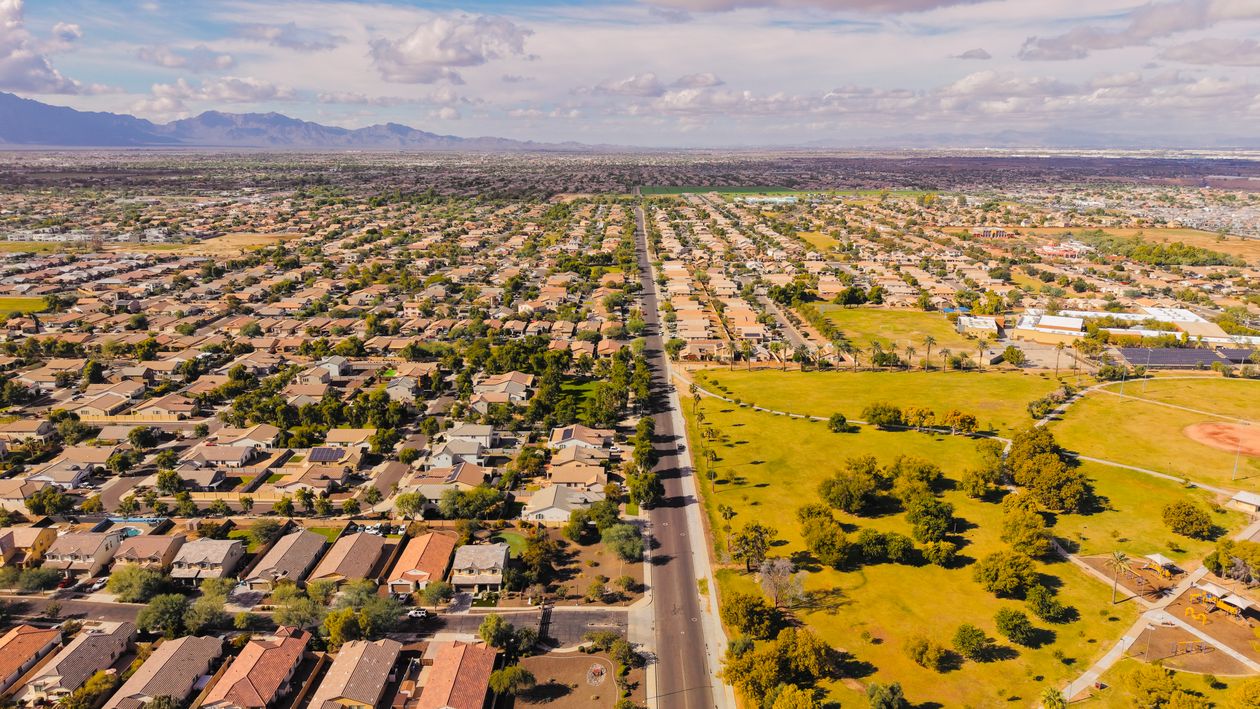
The Green Valley and Quail Creek area has a very large seasonal and retirement population, and many homes in Sahuarita are owned by people who spend part of the year elsewhere. The usual pattern here is the reverse of a northern vacation home: owners are present in the mild months and gone through the hottest ones.
That timing matters. The months a house sits empty are the months when heat stresses supply lines, water heaters and rooftop equipment, and when monsoon storms test flat roofs, parapets and scuppers. Hard water adds mineral scale that shortens the life of valves and heaters regardless of whether anyone is home.
Evaporative coolers deserve a specific mention. A cooler left connected to its water line on an empty house keeps a water supply running on the roof all summer. If its float valve or pan fails, the water goes into the ceiling below with nobody there to notice.
For community-specific notes, see Green Valley and Quail Creek.
Before you leave
The leave-for-the-summer checklist
No list removes all risk, but these steps address where most seasonal-home losses start.
Water supply
- Shut off the main if nothing needs water while you're gone. It is the single most effective step.
- Separate the landscape: if irrigation or a pool auto-fill must keep running, ask a plumber about a valve arrangement that lets the house stay off while outdoor lines stay on.
- Close fixture valves at the washing machine, refrigerator line, dishwasher and under sinks if the main has to stay on.
- Check toilet flappers and fill valves: a running toilet is a slow, steady water user in an empty house.
Water heater
- Use the vacation setting on a gas unit, or turn the heater off following the manufacturer's instructions.
- If the tank is older or showing rust at the base, have it looked at before you go. Hard water shortens tank life here.
Cooling
- If you run air conditioning while you're away, set the thermostat higher rather than off, so the interior doesn't reach extreme temperatures.
- If there's an evaporative cooler you won't use, have its water line shut off and the pan drained.
Roof and exterior
- Have scuppers, canales and roof drains cleared before July, and ask a roofer to look at flat roof sections and parapet caps.
- Check that drip irrigation emitters near the foundation aren't leaking against the slab.
Records
- Take a quick photo of every room and ceiling before you leave. It gives your watcher and any crew a baseline.
- Ask your own insurer whether they have any expectations for a home left empty for months. Only they can answer that.
A short conversation now can save a long repair later.
Ask What to Do Before You Leave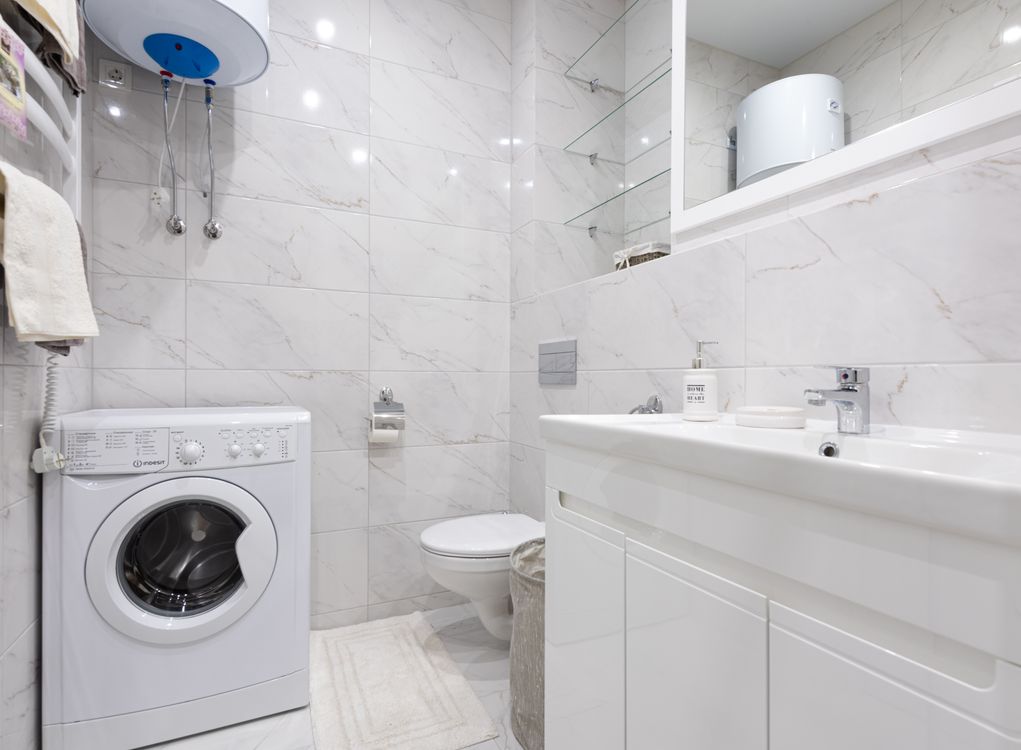
Devices
Leak detection that actually helps while you're away
Leak detection devices are worth having, as long as their limits are understood.
- Spot sensors: small battery units placed on the floor at the water heater, under sinks, behind the refrigerator and beside the washer. They alert your phone when they get wet.
- Automatic shutoff valves: installed on the main by a plumber, these close the supply when a sensor trips or when flow looks abnormal.
- Flow monitoring: some systems and some utility meters show water use remotely, so an empty house using water stands out.
Most of these need Wi-Fi and power to report. Batteries need changing. A monsoon power outage can take them offline. And an alert is only useful if someone local can respond, which is why a device works best alongside a person who checks the house.
Who checks
Choosing who watches the house
A neighbor, a family member, a house-watching service or a property manager can all do this well. What matters is that they know what to look at and what to do if they find something. Don't assume an HOA inspects inside homes; in most communities its role is common areas and exteriors.
What a good visit covers
- Walk every room and look up at every ceiling, especially below the cooler and flat roof sections.
- Open the cabinets under each sink and look at the floor around the water heater.
- Check the garage floor and the base of exterior walls.
- Look at the water meter's leak indicator with everything off.
- Notice any smell or unusual dampness when the door first opens.
- After a heavy monsoon storm, make an extra visit to check ceilings and walls below parapets.
What to leave with them
- Your phone number, and a backup contact.
- The location of the main water shutoff and how to close it.
- Our number, so they can call a crew without waiting to reach you.
- A short written note saying they can let a restoration crew in on your behalf.
- Gate or access arrangements if the community is gated.
Agree on a schedule. Many owners choose a weekly or every-other-week visit, plus a check after any major storm.
Tell us who has access and we'll arrange the rest with them.
Get Someone Out to the HouseCoordinating from afar
When you're a thousand miles away
Owners are often reached by phone in another state when water is found. The process is built for that.
- First call: whoever finds the water, or the owner, calls us. We'll ask who has access and how to reach the owner.
- Access: the crew meets your watcher or manager, or uses an arranged key or lockbox. Gated communities need entry arranged ahead.
- Assessment: the crew stops the water if it hasn't been stopped, measures the affected area and photographs it.
- Your decision: you get the findings, photos and pricing by phone before work begins. Nothing starts without your approval.
- Updates: drying readings and progress photos can be shared with you as the work goes.
If you intend to contact your insurer, the photos and written records of what was found and done are generally useful. Only your insurer can say how your own policy applies.
Photos, readings and pricing shared with you before work begins.
Call From Wherever You AreWhy vacant-home losses take longer
The longer water runs, the more materials it reaches and the more has to be dried or replaced. An empty-house loss often involves several rooms, ceiling insulation, cabinets and flooring together, and belongings that may need to be packed out while the work is done.
Time also changes what's found. Moisture left in building materials can allow mold growth, commonly within a day or two under the right conditions, and a leak that ran for weeks often means some material has to be removed rather than dried. Anyone with health concerns should speak to a medical professional.
Drying itself still benefits from the desert air. Once the water is off and wet materials are removed where needed, the remaining structure usually dries well, and readings confirm it before rebuilding starts.
Afterward: before you leave again
After the repair, the most useful thing an owner can do is change what made the loss possible. That may mean replacing the failed supply line with a better one, adding sensors at the points that failed, installing an automatic shutoff on the main, shortening the watcher's schedule during monsoon season, or having the cooler disconnected for good.
Take a fresh set of photos of the repaired rooms. Keep the paint colors, flooring details and repair records together, so any future repair can be matched and so your next departure starts from a known, documented condition.
How the work is done
How a vacant-home water loss is handled
Built for the owner who isn't there and the person who is.
First contact
Whoever finds the water calls. We confirm how to reach the owner and who has access.
Access and stop
The crew meets your contact on site and makes sure the water is off.
Measure and document
Moisture readings and photos show every affected area.
Owner approval
Findings and pricing go to the owner before any work begins.
Extract and dry
Standing water removed, wet materials dried or removed, readings shared as drying continues.
Restore and record
Repairs finished, final photos shared, and the house left ready for your return.
Every step explained in plain terms while you're away.
Talk Through a Leak You Can't SeeVacant and seasonal home questions
Should I shut off the water when I leave for the summer?
If nothing in or around the house needs water while you're away, shutting off the main is the most effective single step against a leak.
What if my irrigation needs to stay on?
Ask a plumber about a valve arrangement that keeps landscape lines on while the house supply is off.
What should I do with the water heater?
Many owners use the vacation setting on a gas unit or turn the heater off following the manufacturer's instructions.
Should the air conditioning stay on?
Many owners set it higher rather than off so the interior doesn't reach extreme temperatures. Follow your HVAC technician's advice.
Do I need to do anything with my evaporative cooler?
If you won't use it, have the water line shut off and the pan drained so there's no water supply on the roof all summer.
Are leak sensors worth it?
Yes, as long as someone local can respond to an alert. Sensors work best alongside a person who checks the house.
How often should someone check the house?
Many owners choose weekly or every other week, plus a visit after any major monsoon storm.
Can my neighbor let a crew in?
Yes, with your approval. A short written note authorizing them to provide access makes it simple.
Will you start work without me?
No. Findings and pricing are shared with you by phone, and work begins only with your approval.
Does my HOA check inside my home?
Usually not. Most HOAs look after common areas and exteriors. Ask yours what they do and don't cover while you're away.
Services for owners who are away
-
Moisture Detection & Inspection
Meters and thermal imaging to find hidden moisture. -
Evaporative Cooler Leak Damage
Float valve, pan and supply line failures over ceilings. -
Water Heater Leak Cleanup
Tank and fitting failures, often hastened by hard water. -
Appliance Leak Water Damage
Refrigerator lines, ice makers and other connections. -
Flat Roof & Parapet Leak Damage
Ponding, scupper and parapet leaks on low-slope roofs. -
Content Pack-Out & Restoration
Moving, cleaning and storing belongings during the work.
Away from home and something's wrong? We'll coordinate from here.
One call connects your watcher, your manager and a local crew.
A local crew familiar with Green Valley, Quail Creek and Sahuarita homes.
Call About a Seasonal Home