Drying planned for desert air
Structural Drying and Dehumidification in Sahuarita, AZ
Drying a building is not the same as drying a floor. Walls, slabs, cabinets and framing all hold water differently, and in the Santa Cruz Valley the air itself changes the plan. Here's how it's done properly, and how you know it's finished.
Talk with someone who can explain what drying your house involves.
Call About Drying: (520) 650-1359- Available 24/7
- Emergency response
- Upfront pricing before work begins
- No hidden fees
- Workmanship guarantee on completed work
- Crews familiar with Santa Cruz Valley homes
The problem
Why surfaces dry long before structures do
Paint and tile feel dry within hours. The material behind them does not. Drywall wicks water upward from the floor; the wood bottom plate of a wall soaks it up and releases it slowly; cabinet bases made of particleboard hold it in their core; the slab under a floor can stay damp for days. Structural drying is about getting all of those back to normal, not just making the room look finished.
The risk of stopping too early isn't dramatic, but it's real. Moisture left in building materials can allow mold growth, commonly within a day or two under the right conditions, and it causes swelling, delamination and odor. Anyone with health concerns should speak to a medical professional. The practical answer is the same either way: dry to a measured standard, then close things up.
Signs a space isn't fully dry
- A musty smell that comes back after the room has been aired out.
- Baseboards or the bottom of door casings that feel cool or soft.
- Paint blistering low on a wall days after the water was cleaned up.
- Cabinet toe-kicks that have started to swell or separate.
- Laminate edges that keep cupping after the surface dried.
Local conditions
Drying in the desert: the honest advantage
For most of the year, air in the Santa Cruz Valley is very dry. Dry air pulls moisture out of wet materials quickly, and that is a genuine advantage: many water losses here dry faster than the same loss would in a humid climate.
It also changes the equipment strategy. When outside air is dry, moving air across wet surfaces does a lot of the work, and fewer dehumidifiers may be needed than in a humid region. The skill is controlling the pace, because materials that dry too fast or unevenly can crack, check or warp. Hardwood, cabinetry and trim need particular care.
Monsoon season flips some of this. From roughly July into September, indoor humidity rises and afternoon storms bring moist air. During those weeks, dehumidifiers carry more of the load and doors and windows are usually kept closed so drying isn't working against outside air.
The slab matters too. Concrete dries slowly from the top, and a wet slab under new flooring can cause problems later. Readings on the slab itself are part of deciding when flooring can go back down.
| Southern Arizona | Humid climates | |
|---|---|---|
| Outside air | Usually very dry, and can help pull moisture out | Often adds moisture back in |
| Surface drying | Fast | Slow |
| Main risk | Surfaces look dry while the inside of a wall or slab is still wet; wood can check or cup if pushed | Drying takes longer, so materials stay wet longer |
| Equipment emphasis | Controlled air movement, with dehumidifiers matched to conditions | Heavy dehumidification from the start |
| How dryness is confirmed | Meter readings in the structure | Meter readings in the structure |
A crew can usually give you a realistic range once readings are taken.
Ask How Long Drying Takes
Tools of the trade
Air movers, dehumidifiers and the rest
Air movers
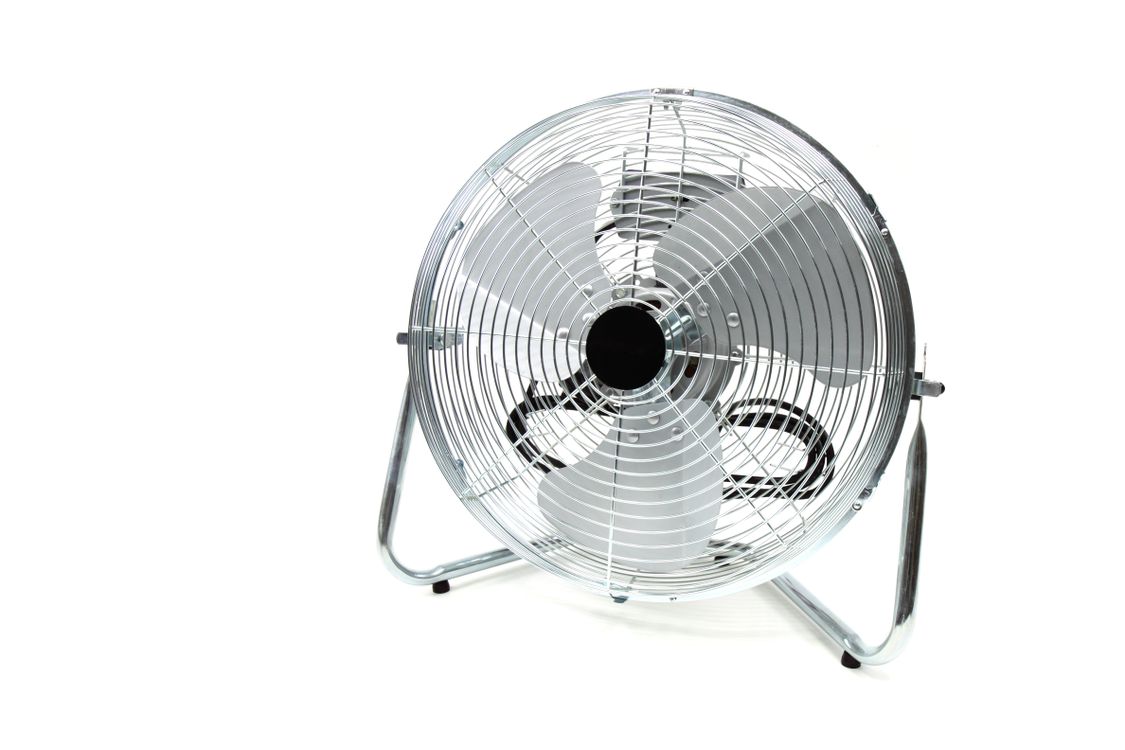
Low, powerful fans placed to push air across wet surfaces and into wall bases. Their placement matters more than their number: aimed along a wall at a shallow angle, they break up the damp layer of air sitting on the surface.
Dehumidifiers
Pull moisture out of the air so it can keep absorbing more from materials. Refrigerant and desiccant types suit different conditions, and the crew chooses based on the room, the temperature and the season.
Targeted drying
Cabinet toe-kicks can be removed and air directed into the base. Small holes may be drilled behind baseboards so dry air reaches inside a wall cavity. Mats can draw moisture from hardwood. Each of these avoids tearing out material that can be dried where it is.
Meters and imaging
Pin and pinless moisture meters give readings in drywall, wood and concrete. A thermal camera shows cooler, wetter patches behind surfaces. Neither replaces the other; together they keep the plan honest. More detail is on our moisture detection page.
If you're not sure whether something is still wet, readings will settle it.
Get Moisture Readings TakenWhat affects how long drying takes, and the cost
Drying commonly takes a few days, but the range is wide. What stretches it out: water that sat for a long time before anyone found it, dense materials like hardwood and slab, water trapped inside cabinets or wall cavities, high indoor humidity during monsoon weeks, and rooms that can't be closed off from the rest of the house.
Cost follows the same factors, mostly through how much equipment is needed and for how many days. The crew will explain the plan and the price before equipment goes in, and daily or regular readings decide when each piece comes out, so you're not paying for equipment running in rooms that are already dry.
After drying: closing it up
When readings in affected materials match unaffected areas of the same house, drying is done. Equipment is removed and repairs can begin: any drywall that was cut out is replaced, holes behind baseboards are covered, toe-kicks go back on, and flooring is reinstalled or replaced.
Keep the drying records. They show what was wet, how it was dried and when it reached a dry standard, which is useful if you sell the house or if questions come up later.
How the work is done
How structural drying is done, step by step
A clear sequence, from the first reading to the last.
Set the baseline
Readings are taken in dry parts of the house in the same materials, so there's a target to dry back to.
Map what's wet
Every affected wall, floor and cabinet is measured and recorded. This map is the drying plan.
Open only where needed
Baseboards, toe-kicks or small sections of drywall are removed where air can't otherwise reach.
Place equipment for the conditions
Air movers and dehumidifiers are set for the room size, materials and the season's humidity.
Monitor and adjust
Readings are logged on each visit. Equipment is moved as areas dry, and removed once they reach target.
Confirm and document
Final readings are recorded before equipment leaves, and repairs are scheduled.
Equipment, schedule and price explained before anything starts.
Plan the Drying With a ProStructural drying questions
How long does structural drying take?
Commonly a few days. It can be quicker for a small, clean-water loss caught early, and longer when water sat for a while, reached dense materials or happened during humid monsoon weeks.
Can I turn the equipment off at night?
Please don't without asking. Drying works because it's continuous; turning equipment off lets the damp layer settle back on materials and adds days. If noise is a problem in a bedroom, ask the crew about options.
Should I run my air conditioning or cooler during drying?
Air conditioning usually helps because it removes some moisture and keeps temperatures steady. An evaporative cooler adds moisture to the air, so the crew will usually ask you to leave it off in the drying area.
Why not just open the windows?
On a dry day that can help, and crews sometimes use it. During monsoon humidity or on a still night, outside air can slow drying down. The crew decides based on readings, not guesswork.
Will the electric bill go up?
Yes, somewhat. Air movers and dehumidifiers draw power for several days. The crew can give you a sense of how much equipment is running.
What does the dry standard mean?
It means readings in the affected materials match readings in the same materials elsewhere in the house that never got wet. It's a comparison, not a guess.
Why are there small holes behind my baseboards?
They let dry air into the wall cavity so the inside of the wall can dry without cutting out drywall. They're covered when the baseboard goes back on.
Can hardwood floors be dried?
Sometimes. Specialized mats and careful, slower drying can save hardwood if it's addressed quickly. Floors that have cupped badly or were wet for a long time may need replacing.
Do I need to be home while equipment runs?
Not necessarily. Many people go about their day. The crew will need access for monitoring visits, so arrange a key, code or schedule that works.
Related drying and repair services
-
Water Extraction & Removal
Pulling standing water off slabs, carpet and tile. -
Moisture Detection & Inspection
Meters and thermal imaging to find hidden moisture. -
Drywall Water Damage Repair
Removing wet drywall, drying the cavity, rebuilding. -
Mold Remediation
Containment, removal of affected materials, verified drying. -
Odor Removal & Deodorization
Dealing with the musty smell a water loss leaves behind. -
Reconstruction & Repairs
Putting drywall, floors and finishes back after drying.
Not sure it's really dry? Let's find out.
Readings, a plan and a price, before anything starts.
Calm, clear answers from a local crew.
Check If It's Really Dry