Answered 24 hours a day
Emergency Water Damage Restoration in Sahuarita, AZ
When water is on the floor or coming through the ceiling, the first few hours shape everything after. One call connects you with a local restoration crew that can extract the water, find where it went, and start drying the right way.
A real person answers, day or night, and helps you decide what to do first.
Emergency Line: (520) 650-1359- Available 24/7
- Emergency response
- Upfront pricing before work begins
- No hidden fees
- Workmanship guarantee on completed work
- Crews familiar with Santa Cruz Valley homes
First hour
What to do right now
Do these in roughly this order while you wait. They take minutes and make the crew's job smaller.
-
Close the nearest valve
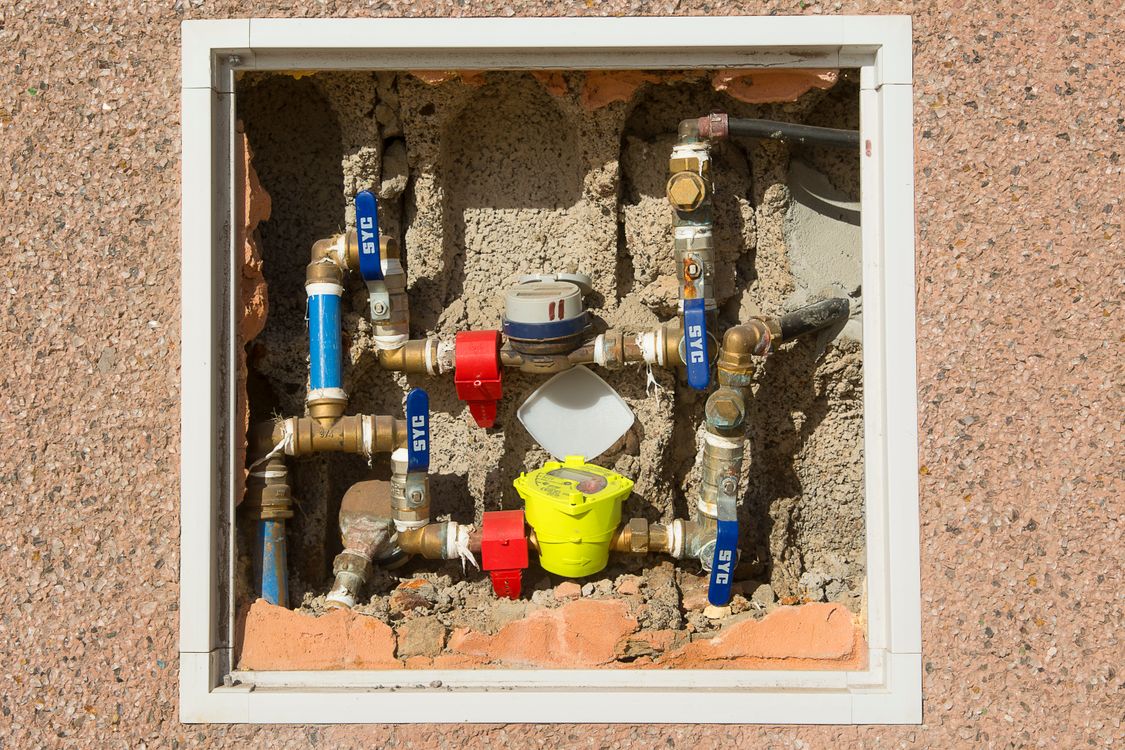
Angle stops sit behind toilets and under sinks, and most appliances have their own. If you can't find the source, close the main shut-off where the supply enters the house, usually in the garage or on the front wall near a hose bib.
-
Keep away from wet outlets and panels
If water is near outlets or panels, do not enter and call your utility and emergency services.
-
Take photos first
Wide shots, close-ups of the source, and the height water reached on walls and cabinets. A short video walk-through works too.
-
Move the easy things
Pick up rugs, cords, paperwork and anything sitting in water. Put foil or plastic under furniture legs.
-
Leave a bulging ceiling alone
If drywall overhead is holding water, don't poke it. Move belongings out from underneath and mention it when you call.
-
Skip the mopping marathon
Soaking up surface water helps, but hours of towels won't reach what's under tile or inside walls. That takes extraction and meters.
If you're unsure about any of these steps, call and we'll go through them with you.
Walk Me Through the First HourKnow what you're dealing with
What counts as a water damage emergency
An emergency is any water that is still moving, or water that has sat long enough to soak into materials. In a Sahuarita home that usually means a supply line or angle stop that let go under a sink or behind a toilet, a washing machine or dishwasher hose that split, a water heater that failed in the garage, a rooftop cooler overflowing into the ceiling, or monsoon water coming in through a roof, scupper or door.
What people usually notice first
- Water spreading across tile or laminate from a kitchen, laundry room or bathroom.
- A ceiling stain that grows, or drips from a light fixture or vent.
- Baseboards swelling, or paint bubbling low on a wall.
- Water pooling around the water heater in the garage.
- Carpet that squishes near a wall with no obvious source.
- A water bill that jumps, or a meter that keeps turning with every fixture off.
That last sign matters more than people expect. Plenty of hidden leaks are found only because the bill looked wrong.
Local conditions
Why emergencies here look different
Almost every home in the valley sits on a concrete slab, so there is nowhere lower for water to drain. It spreads sideways instead, under tile and floating floors, and wicks up into drywall and baseboards. An overflow in one room can reach the next through the bottom of a shared wall within a few hours.
Sahuarita incorporated in 1994 and most of its houses are modern, so emergencies tend to start at builder-grade angle stops, braided supply lines, appliance connections and water heaters rather than old pipe. Summer heat is hard on hoses and lines in garages and exterior walls, and our mineral-heavy water builds scale that wears out valves and shortens water heater life.
From July into September, the other big source is the sky. Monsoon storms overwhelm flat-roof drainage and push water in through parapets, scuppers and door thresholds, often late in the afternoon. The rest of the year is dry, which brings one real advantage: once drying equipment is set up properly, low humidity lets it work quickly. That is a large part of why a prompt start usually means less demolition.
Tell us where the water is and roughly how long it's been there.
Get a Crew Out TodayMaking the call
Who can call, and what to have ready
You don't have to be the owner standing in the wet room. Tenants, neighbors, HOA staff and property managers call on an owner's behalf all the time, particularly in communities where many homes are empty for the summer. We'll help sort out access and approvals.
It speeds things up if you can tell us:
- The address, and a gate code or guard instructions if the community is gated.
- Where the water seems to be coming from, if you know.
- Roughly when it started, or when someone last saw the house dry.
- Which rooms and floor types are wet: tile, laminate, carpet, cabinets, ceiling.
- Whether the water has been shut off.
- Anything the crew should know about pets, alarms or access.
If you don't know some of it, that's fine. The person on the phone will work through it with you.
Owners, tenants, neighbors and managers can all start the call.
Talk to Someone Who Does This DailyWhat affects how long it takes and what it costs
Most emergency jobs follow the same arc: a first visit to extract water and set equipment, a few days of drying with regular checks, then repairs. What changes the time and the price:
- How long the water ran before it was stopped.
- Whether it was clean supply water, gray water from an appliance, or contaminated water from a drain line.
- Which materials got wet, and whether ceilings or cabinets are involved.
- How many rooms, and how much equipment the drying needs.
- How much has to be removed and rebuilt afterward.
You'll hear the price before work begins. If opening a wall changes the picture, that is discussed with you before anything else happens.
A word on insurance
Whether a loss is covered depends entirely on your individual policy and the circumstances, and only your insurer can say. Your own photos and notes are generally useful, and the restoration contractor can provide documentation of the work performed.
What happens after the emergency
Once materials are dry, repairs are scheduled: drywall patched and textured, baseboards replaced, flooring reset or replaced, paint matched. Some jobs need a morning; others need a room rebuilt. See reconstruction and repairs for how that part usually runs.
It's also the moment to fix whatever failed so it doesn't happen again. Owners often replace the rest of the supply lines while the plumber is there, add a drain pan and leak sensor under the water heater, or fit an automatic shut-off valve. If the house sits empty part of the year, our page on vacant and seasonal homes covers that in detail.
If the water came from above, have the roof or cooler repaired before the next storm season. Drying the inside won't stop the next leak; see flat roof and parapet leaks and evaporative cooler leaks.
How the work is done
How emergency restoration is done, step by step
Every job is different, but a well-run emergency response follows a clear order.
Stop and confirm the source
The crew makes sure the water is off and identifies what failed. If a plumber or roofer is needed for the repair itself, they'll tell you and can often help coordinate.
Document and map moisture
Photos, meter readings and often thermal imaging show how far water traveled, including behind cabinets and under tile. That map drives every decision after it.
Extract standing water
Truck-mounted or portable extraction pulls water from tile, carpet and pad. Wet pad is usually removed; carpet can sometimes be saved.
Remove only what can't be dried
Swollen baseboards, saturated drywall at the bottom of a wall and some cabinet toe-kicks come out so the cavity behind can dry. The aim is to remove as little as possible.
Set drying equipment
Air movers and dehumidifiers are placed for the room and the season. In the dry months evaporation is fast; during monsoon humidity, dehumidifiers carry more of the load.
Monitor to a dry standard
Readings are taken on each visit until affected materials match the unaffected baseline. Then equipment comes out and repairs can begin.
You'll hear what the work involves and what it costs before anything starts.
Call for Emergency Water HelpEmergency water damage questions
Is it still an emergency if the water has stopped?
It can be. Once water is under tile or inside a wall, what matters is how long materials stay wet, not whether the leak is still running. If a floor or wall was wet for more than a few hours, moisture readings are worth getting.
How soon can someone arrive?
We answer around the clock and connect you with an available local crew as quickly as we can. Arrival depends on the time of day, the weather and the distance, so you'll get a straight estimate on the phone rather than a promise.
Should I turn the power off?
If water is near outlets or panels, do not enter and call your utility and emergency services. Leave any other electrical decisions to professionals.
Can I dry it myself with fans?
Household fans move air across the surface but don't reach water under tile, in wall cavities or in cabinet bases, and they can't tell you when things are actually dry. A small spill caught right away may be fine; for anything that soaked in, readings are the only way to know.
Will drywall have to be torn out?
Not always. If water reached only the bottom of a wall and was caught quickly, drywall can sometimes be dried in place. If it's saturated, swollen or was touched by contaminated water, the affected section is usually cut out so the cavity can dry.
What if the water came from a toilet or drain?
Water from a drain line or toilet overflow is treated as contaminated. Porous materials it touched, such as carpet pad and the bottom of drywall, are usually removed rather than dried, and the area is cleaned first. Our sewage backup cleanup page explains more.
I rent. Can I still call?
Yes. Call us and let your landlord or property manager know as well. Work on the building itself usually needs the owner's approval, and we can help coordinate.
Do crews work inside gated communities?
Yes. Have the gate code or guard instructions ready, or let the gate know a restoration crew is on the way. It saves time on arrival.
How do I know when drying is finished?
When moisture readings in affected materials match readings from unaffected parts of the same house. The crew should be able to show you those numbers before the equipment leaves.
Services that often follow an emergency
-
Water Extraction & Removal
Pulling standing water off slabs, carpet and tile. -
Structural Drying & Dehumidification
Drying planned for desert air and confirmed with readings. -
Burst Pipe Water Damage
Split supply lines and failed fittings inside walls. -
Appliance Leak Water Damage
Refrigerator lines, ice makers and other connections. -
Water Heater Leak Cleanup
Tank and fitting failures, often hastened by hard water. -
Ceiling Water Damage Repair
Stains, sagging drywall and wet insulation overhead.
Water on the floor right now? Let's get it handled.
Practical help from people who do this every day.
Calm, practical help, and pricing explained upfront.
Book an Emergency Visit