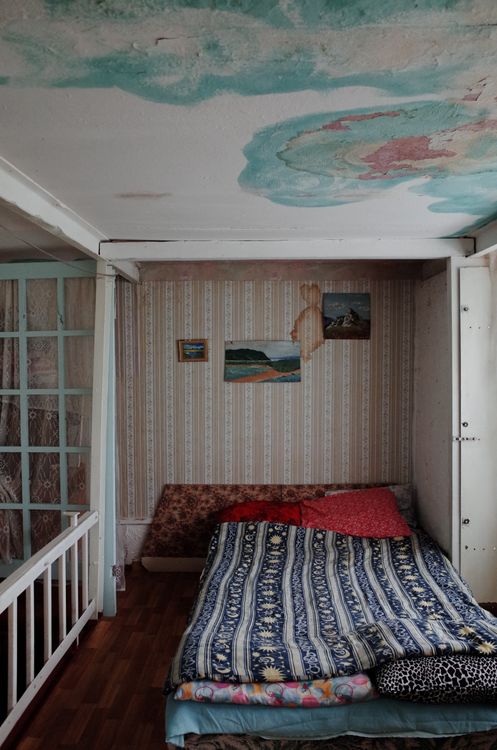
Stains, sagging and wet insulation
Ceiling Water Damage Repair in Sahuarita, AZ
A ceiling stain is usually the first thing anyone sees, and the last place the water got to. Repairing it well means finding out where the water came from, drying what's above it, and only then patching, texturing and painting.
Tell us what the ceiling looks like and where in the house it is.
Ceiling Damage? (520) 650-1359- Available 24/7
- Emergency response
- Upfront pricing before work begins
- No hidden fees
- Workmanship guarantee on completed work
- Crews familiar with Santa Cruz Valley homes
First hour
What to do while the ceiling is dripping
For a ceiling that is dripping, bulging or showing a fresh, growing stain.
-
Find and stop the source if you can
If it's below a bathroom, shut off that fixture. If it's near the cooler vent, turn the cooler off and close its water valve. After rain, it's likely the roof.
-
Mind the electrical
If water is near outlets or panels, do not enter and call your utility and emergency services.
-
Clear what's underneath
Move furniture, rugs and electronics, and put down a bucket and towels. Keep people and pets out from under a bulge.
-
Don't poke or drain it yourself
Opening a bulging ceiling can bring more down than you expect. Leave it for the crew.
-
Mark the edge of the stain
A light pencil line around the stain shows whether it's still growing. Take a dated photo.
-
Check upstairs and the attic hatch
In two-story homes, look at the floor above. If you have an attic hatch you can reach, a quick look with a flashlight may show wet insulation.
Unsure whether it's dry or still wet? A quick reading will tell you.
Get the Ceiling CheckedThe problem
What a ceiling stain is telling you
Ceiling drywall is porous. When water reaches the back of it, from a roof, a cooler, a pipe or an upstairs bathroom, it soaks in, spreads and eventually shows through the paint as a stain. The ring at the edge is where water carried dissolved minerals and dirt and left them behind as it dried.
By then, the materials above the stain have usually been wet longer than the stain suggests. Insulation holds water against the drywall. Framing absorbs it. And the stain may be some distance from where water actually entered.
What you might see
- A yellow or brown ring, sometimes with darker rings inside it from repeated wetting.
- Bubbled paint or texture that's lifting away.
- A soft, sagging area, often around a light fixture or register.
- Drips from a fixture, vent or the seam between drywall sheets.
- Cracks along drywall joints that weren't there before.
Local conditions
Where ceiling water comes from in Sahuarita homes
In the Santa Cruz Valley, ceiling damage tends to come from a short list of sources, and each leaves clues:
Flat roof sections and parapets
Stains that appear during or after monsoon storms, under flat roof sections or near exterior walls, most often trace back to the roof. See flat roof and parapet leaks.
The evaporative cooler
A stain around the ceiling register where cooled air comes in, especially one that appears in dry, hot weather, points to the cooler. Cooler leaks are among the most common ceiling problems in Southern Arizona.
Plumbing above
In two-story homes, a supply line, toilet seal, tub drain or shower valve upstairs can leak into the ceiling below. Stains directly under a bathroom that appear regardless of the weather are the tell.
Water heaters and HVAC in the attic
Some homes have water heaters or air handlers above the ceiling. Condensate lines clog, drain pans overflow, and tanks eventually fail. Stains near the attic access or a return grille are worth checking.
Because homes here are mostly newer builds, the ceiling itself is usually standard drywall with a sprayed or hand texture, which makes repairs straightforward once everything above is dry.
| What you notice | Usually points toward |
|---|---|
| It showed up after a storm | The roof, a parapet, flashing or a scupper |
| It showed up in hot, dry weather near a vent | The evaporative cooler or its duct |
| It sits under a bathroom or laundry, in any weather | A supply line, drain or fixture above |
| It is near an outside wall after rain | Roof water running along the framing toward the eaves |
| It grows slowly with no pattern | A small, steady plumbing leak |
Most ceilings don't need full replacement. We'll help you understand yours.
Ask Whether It Needs to Come DownRepair or replace
When a ceiling can be dried, and when it comes down
Not every wet ceiling needs replacing. The deciding factors are how long it was wet, whether it has sagged, and what the water was.
- Dried in place: drywall that got wet briefly, hasn't sagged or softened, and was reached by clean water. Air is directed into the space above until readings are normal, then the stain is sealed and painted.
- Partially replaced: a section that sagged, softened or stayed wet for a long time. It's cut out, the space above is dried, and new drywall is patched in and textured to match.
- Larger replacement: extensive areas, repeated wetting over several storms, or water from a contaminated source such as a drain line.
Insulation above a wet ceiling is judged separately. Blown insulation that got soaked usually compacts and is replaced once the area is dry.
Drying above the ceiling is what makes the repair last.
Call to Dry the Space AboveWhat affects the time and cost
A small ceiling repair after a quick, clean-water leak might be drying for a few days and a patch-and-paint visit. The job grows with the size of the wet area, how much insulation needs replacing, access above the ceiling, the complexity of the texture to be matched, and the height of the ceiling. Vaulted and tall ceilings take longer.
You'll hear the price before work begins. If opening the ceiling shows wet framing or insulation beyond what the readings suggested, that's discussed with you before anything more is done.
For insurance questions, coverage depends on your individual policy and circumstances, and only your insurer can say. Take photos of the stain before it's repaired; the contractor can provide documentation of the work performed.
After the repair: matching and preventing

The last step is the one people see: texture matched to the surrounding ceiling, and paint that blends in. Stains are sealed with a stain-blocking primer first, otherwise they bleed back through ordinary paint.
Then deal with the source so the new ceiling stays that way. Roof leaks need a roofer; cooler leaks need the cooler repaired or its water shut off when not in use; plumbing leaks need the failed part replaced. A pre-monsoon roof check and a cooler start-up routine each spring prevent most repeat ceiling damage here.
How the work is done
How ceiling water damage is repaired, step by step
Dry first, then rebuild.
Identify the source
Weather, location and moisture readings narrow down whether it's the roof, cooler, plumbing or attic equipment.
Map the wet area
Meters and thermal imaging show how far water spread beyond the visible stain.
Open only what's needed
Sagging or saturated sections are cut out cleanly, with wet insulation removed above.
Dry the space above
Air is directed into the ceiling cavity and dehumidifiers pull out the moisture.
Confirm dry
Framing and remaining drywall are measured against unaffected areas.
Patch, texture and paint
New drywall is hung and finished, stains are sealed, and texture and paint are matched.
Pricing for drying and repair is explained before anything starts.
Talk About Ceiling RepairsCeiling water damage questions
Can I just paint over a water stain?
Only once the source is fixed and the ceiling is confirmed dry. Even then, use a stain-blocking primer first; ordinary paint lets the stain bleed back through.
How do I know if my ceiling is still wet?
A moisture meter is the only reliable way. Drywall can feel dry on the surface while the back and the insulation above it are still damp.
Why does the stain have rings?
Each ring marks a time water spread and then dried, leaving minerals behind. Several rings usually mean the leak has happened more than once.
Does the whole ceiling need replacing?
Rarely. Most repairs involve drying and patching the affected section. Full replacement is usually reserved for large areas or contaminated water.
Can you match my ceiling texture?
In most cases, yes. Common textures in newer Sahuarita homes are straightforward to match, though very large patches may be blended over a wider area.
Will the insulation above need to be replaced?
If it was soaked, usually yes. Wet blown insulation compacts and doesn't recover. Insulation that was only slightly damp may dry in place.
How long does a ceiling repair take?
Drying commonly takes a few days. Patching, texturing and painting typically follow over one or more visits, depending on the size and on drying time for compound and paint.
The stain is below the bathroom upstairs. What's likely?
A toilet seal, tub or shower drain, or a supply line. It's worth having a plumber find and fix the source before the ceiling is repaired.
Should I worry about mold above the ceiling?
Moisture left in building materials can allow mold growth, commonly within a day or two under the right conditions, and it damages materials and causes odor. Prompt drying is how it's prevented. Anyone with health concerns should speak to a medical professional.
Services that pair with ceiling repair
-
Roof Leak Water Damage
Tracing roof water to its entry point and drying below. -
Evaporative Cooler Leak Damage
Float valve, pan and supply line failures over ceilings. -
Flat Roof & Parapet Leak Damage
Ponding, scupper and parapet leaks on low-slope roofs. -
Drywall Water Damage Repair
Removing wet drywall, drying the cavity, rebuilding. -
Structural Drying & Dehumidification
Drying planned for desert air and confirmed with readings. -
Reconstruction & Repairs
Putting drywall, floors and finishes back after drying.
A stain overhead? Let's find out what's behind it.
Readings, a clear plan, and pricing before any work begins.
A calm conversation and a local crew when you need one.
Get Help With a Stained Ceiling