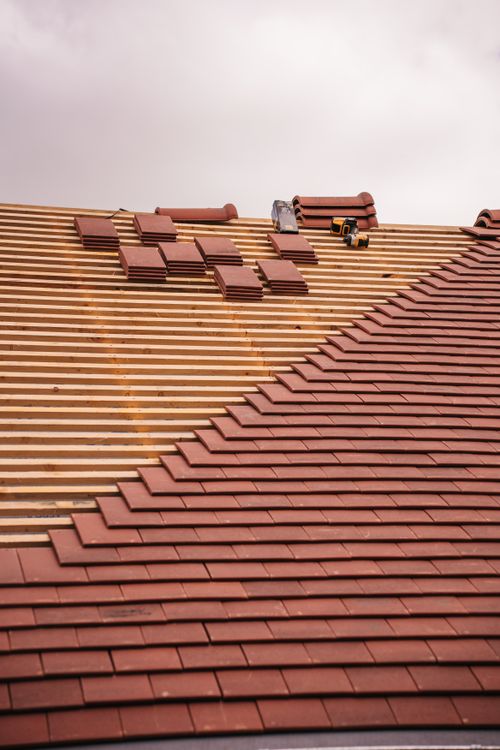
Tile, flat and low-slope roofs
Roof Leak Water Damage Repair in Sahuarita, AZ
A roof leak is two problems at once: the opening in the roof, and the water that has already come through it. A roofer fixes the first. Our local restoration pros deal with the second, drying the attic, insulation, ceiling and walls so the repair isn't hiding damp materials.
Tell us where the water is showing up inside and we'll take it from there.
Roof Leaking? Call (520) 650-1359- Available 24/7
- Emergency response
- Upfront pricing before work begins
- No hidden fees
- Workmanship guarantee on completed work
- Crews familiar with Santa Cruz Valley homes
First hour
First steps for an active roof leak
For water actively coming through a ceiling or wall from above.
-
Contain the drip
Put a bucket or pan under it with a towel inside to stop splashing. Move furniture and electronics out of the way.
-
Keep clear of fixtures
If water is near outlets or panels, do not enter and call your utility and emergency services.
-
Don't pierce the ceiling
Leave bulging drywall for the crew. Clear the floor underneath and keep people and pets out of that spot.
-
Note the weather
Write down when the drip started and what the weather was doing. It helps separate roof leaks from plumbing or cooler leaks.
-
Photograph inside and out
The stain, the drip, and from the ground, anything visibly wrong on the roof or parapet.
-
Call a roofer, and us
The roofer handles the roof. The restoration crew handles the water that's already inside.
Not sure where it's coming in? We can help narrow it down.
Get the Leak TracedThe problem
What a roof leak does once it's inside
Water that gets through a roof lands first on the roof deck and underlayment, then the attic or the space between roof and ceiling. On many homes here that space is shallow, sometimes only a few inches over flat sections. Water spreads through blown insulation, pools on the back of the ceiling drywall and follows framing toward the walls.
By the time a stain shows, the ceiling above it has usually been wet for a while. Wet insulation compresses and loses most of its value; saturated drywall sags; and water that runs down inside a wall can surface at a baseboard across the room from where it came in.
What owners typically see
- A brown or yellow ring on the ceiling that grows after each rain.
- Drips from a light fixture, fan box or smoke detector.
- Peeling paint or bubbled texture near where the ceiling meets an exterior wall.
- Stains on an interior wall below a parapet.
- A damp or musty smell in a closet under a roof valley.
Local conditions
Why roof leaks are so common in the Santa Cruz Valley
Roof-origin water damage is far more common here than in markets built mostly with steep, shingled roofs. Southern Arizona homes often combine clay or concrete tile with flat or low-slope sections behind parapet walls, drained by scuppers and canales. Each of those details works well in light rain and can be overwhelmed in a monsoon downpour.
Tile itself rarely fails. Leaks on tile roofs usually come from the underlayment beneath, which ages under decades of sun, or from flashing at valleys, walls and penetrations. On flat sections, the membrane and its seams take the heat, and ponded water is the test they sometimes fail.
Then there's the sun. Summer roof surfaces get extremely hot and cool overnight, day after day. Sealants shrink and crack; coatings chalk and thin. A roof that was fine two summers ago can have a gap today.
The good news is that newer homes in Sahuarita were built to modern standards, so leaks tend to be localized rather than widespread. Finding the exact entry point, which is not always directly above the stain, is most of the job.
If you're weighing whether the ceiling needs to come down, call and ask.
Talk About the Ceiling Below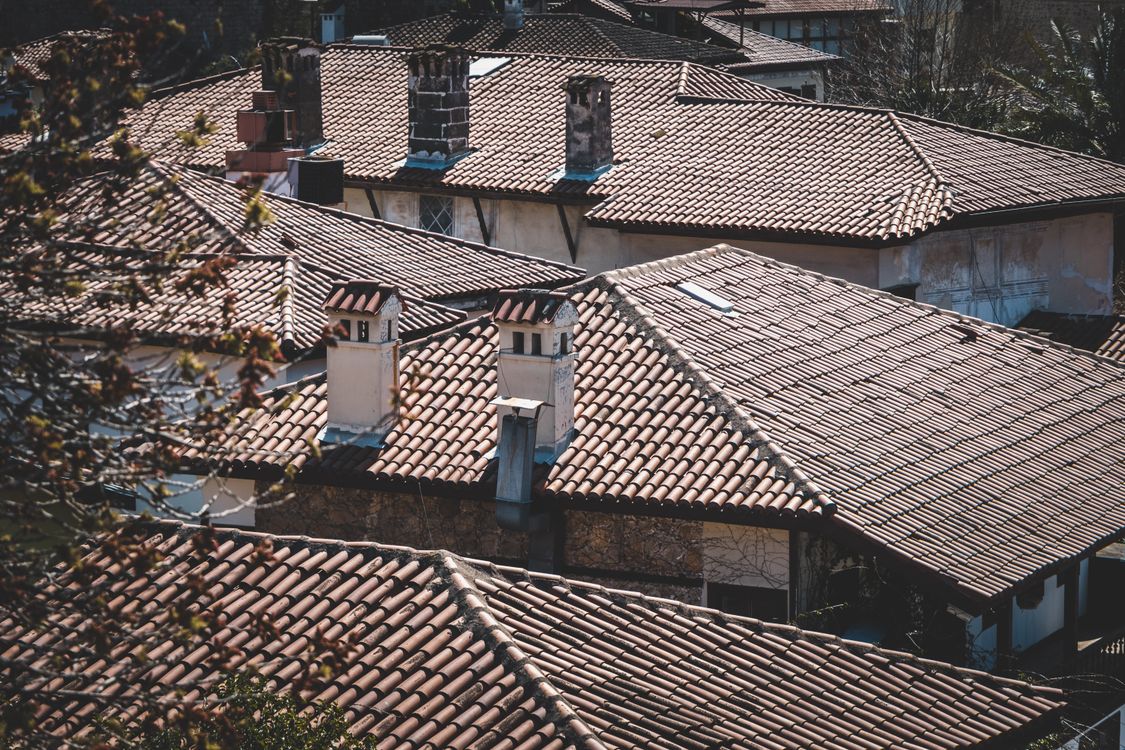
Roofer and restoration crew
Who does what
Roof repair and water damage restoration are different trades. A roofing contractor repairs or replaces the roof. A restoration crew dries and repairs the inside. The two often work in parallel:
- The restoration crew measures and maps moisture inside, which often helps the roofer pinpoint the entry.
- Temporary protection can go on the roof so the next storm doesn't re-wet the drying.
- Inside, wet insulation and saturated drywall are removed and drying begins.
- The roofer completes the permanent repair.
- Once readings confirm the structure is dry, the ceiling is rebuilt and finished.
If you already have a roofer, tell us and we'll work around their schedule. If you don't, the crew can usually point you in a sensible direction.
Wet insulation is easy to miss. A crew can check it with meters.
Get the Attic CheckedWhat drives the time and cost of a roof leak repair
The biggest factor is how long and how often the leak ran. A single-storm leak caught the same day may need only a small ceiling section and some drying. A slow leak that has been through several storms can mean replacing insulation across a wide area and more ceiling. Other factors include access to the space above the ceiling, texture matching on the ceiling, and whether water reached walls or floors.
The crew explains the scope and the price for the interior work before anything starts. The roof repair is quoted separately by the roofer.
Whether any of it is covered depends on your individual policy and circumstances, and your insurer is the only one who can say. Photos of the roof and interior, and the contractor's documentation of the work performed, are generally useful.
After the repair
Once the roof is fixed and the space is dry, the ceiling is patched or replaced, textured to match and painted. Insulation is replaced where it was removed. Keep a note of what was repaired and when, alongside the roofer's paperwork.
A yearly look at the roof before monsoon season, including scuppers, parapet caps and sealant around penetrations, catches most problems while they're still small. See the pre-season checklist on our monsoon storm damage page.
How the work is done
How roof leak water damage is repaired
From the stain back to the source, then back down to a finished ceiling.
Trace the water
Moisture meters and thermal imaging follow the wet area across the ceiling and into walls, which often points toward the entry.
Protect the opening
Temporary protection is arranged so drying isn't undone by the next rain.
Open and remove
Saturated ceiling drywall is removed in controlled sections. Wet insulation above it is bagged and taken out.
Dry the cavity
Air is directed into the ceiling space and walls. Dehumidifiers handle the moisture load.
Verify dry
Framing and remaining drywall are measured until they match unaffected areas.
Rebuild
New drywall, texture and paint once the roof repair is complete.
Pricing for the interior work is explained before anything starts.
Call for a Roof Leak CrewRoof leak water damage questions
Is the leak always right above the stain?
No. Water often runs along the roof deck, a rafter or the back of the drywall before it drips. The entry can be several feet away, which is why tracing with meters and imaging helps.
Does the whole ceiling have to come down?
Rarely. Usually only the saturated or sagging section is removed so the space above can dry. Sound drywall around it is dried in place.
What happens to wet insulation?
Blown insulation that got soaked compacts and doesn't recover, so it's generally removed and replaced once the area is dry.
Can you fix the roof too?
Roof repair is done by a roofing contractor. The restoration crew handles the interior and can coordinate with your roofer.
How do I tell a roof leak from a plumbing or cooler leak?
Timing is the best clue. A stain that appears during or after rain points to the roof. One that grows in dry, hot weather near a cooler vent suggests the cooler. One that appears regardless of weather often points to plumbing.
Should I paint over the stain once it dries?
Not until the cause is fixed and moisture readings confirm the ceiling is dry. Paint over a damp area tends to peel or re-stain.
How long does it take?
Drying commonly takes a few days. The ceiling rebuild depends on the roofer's schedule, since the roof should be repaired first.
My tile roof is fairly new. Why would it leak?
Tile sheds most water, but flashing, penetrations and the underlayment beneath can still let water through, especially in a heavy storm. New roofs occasionally have installation issues that only show up in the first big rain.
Does the HOA need to be involved?
Possibly, if your community maintains roofs on attached homes. Check your HOA documents or call the management office before arranging roof work.
Services tied to roof leaks
-
Flat Roof & Parapet Leak Damage
Ponding, scupper and parapet leaks on low-slope roofs. -
Monsoon Storm Water Damage
Roof, doorway and runoff intrusion from summer storms. -
Ceiling Water Damage Repair
Stains, sagging drywall and wet insulation overhead. -
Evaporative Cooler Leak Damage
Float valve, pan and supply line failures over ceilings. -
Drywall Water Damage Repair
Removing wet drywall, drying the cavity, rebuilding. -
Reconstruction & Repairs
Putting drywall, floors and finishes back after drying.
Water coming through from above? We can help with the inside.
A local crew to dry it properly, and work alongside your roofer.
Calm answers from people who see these leaks every season.
Call and Talk It Through