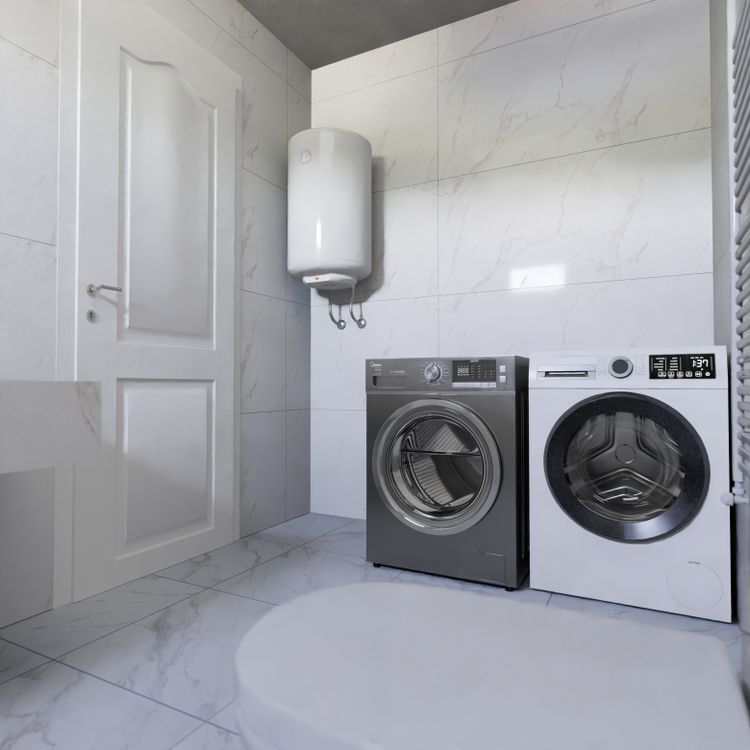
Tanks, fittings and relief valves
Water Heater Leak Cleanup in Sahuarita, AZ
Water heaters work hard here. Hard water builds sediment in the tank, summer heat bakes garages and attics, and the tank holds a lot of water ready to escape. When one fails, the cleanup is usually more than the puddle you can see.
Tell us where the heater is and where the water has gone.
Water Heater Leak? (520) 650-1359- Available 24/7
- Emergency response
- Upfront pricing before work begins
- No hidden fees
- Workmanship guarantee on completed work
- Crews familiar with Santa Cruz Valley homes
First hour
What to do first when the heater leaks
For a leaking tank or fitting, in a garage, closet or attic.
-
Shut off the cold supply to the heater
There's usually a valve on the cold line at the top of the heater. If it won't turn, close the main shut-off.
-
Turn the heater off
For gas, set it to off or pilot; for electric, switch off its breaker only if the panel area is dry. If water is near outlets or panels, do not enter and call your utility and emergency services.
-
Let the tank cool
Water inside may be very hot. Don't open the drain valve or handle fittings until it has cooled.
-
Move stored items
Garages hold boxes, paper and tools against walls. Lift them away from the water.
-
Photograph the heater and label
The leak point, the floor, and the label showing make, model and date.
-
Check next to it
If the heater is in a closet, look at the walls and floor of rooms on either side.
If you're unsure how to shut it down, call and we'll talk you through it.
Get Water Heater Damage HandledThe problem
How water heaters fail
A tank-style water heater holds a lot of water under pressure. It can fail in a few ways:
- The tank itself corrodes from the inside and starts to seep or leak from the bottom.
- Fittings at the top, where supply lines connect, loosen or corrode.
- The relief valve opens when pressure or temperature runs high, discharging water through its line.
- The drain valve at the bottom weeps or gets bumped.
- The drain pan, if there is one, overflows because its drain line is missing or blocked.
Tankless heaters hold far less water but still have supply and relief connections that can leak.
What owners usually see
- A puddle around the base of the heater, sometimes rusty.
- Water running under the garage door or into the house through a shared wall.
- Damp drywall or baseboards in the room next to a closet heater.
- A ceiling stain below an attic heater.
- No hot water, or water that runs lukewarm.
Local conditions
Why water heaters have a hard life here
Very hard water
The water here is very hard. Heating it drops minerals out as sediment in the bottom of the tank. Many manufacturers recommend draining a few gallons from the tank from time to time to clear that sediment; the owner's manual gives the interval for your model. Sediment makes the heater work harder, can cause overheating at the bottom, and tends to shorten tank life. It also clogs drain valves and wears relief valves.
Garage and attic heat
Many heaters here sit in garages or, in some homes, in attics. In summer those spaces get extremely hot. That doesn't make the tank fail by itself, but it's hard on fittings, seals and relief valve lines.
Original builder heaters
Many Sahuarita homes still have the heater installed when the house was built. As a house ages past its first decade or so, the original heater becomes a more common source of water damage. The date on the label tells you how old yours is.
Empty houses
In seasonal homes, a heater that fails while nobody is there can empty its tank and keep refilling from the supply for days. That's why shutting off the water, or at least the heater's supply, before leaving matters so much.
Walls and flooring next to the heater are often wetter than they look.
Ask What Got Wet Around ItBeyond the puddle
Where the water goes
Garage floors usually slope toward the door, so a lot of water leaves that way. But the garage often shares a wall with the house, and water on the slab can wick into the drywall and bottom plate of that wall, and under the door into a laundry room or hallway.
Closet heaters are harder. Water spreads under the closet wall into bedrooms, hallways or bathrooms, often under laminate or carpet. Attic heaters soak insulation and ceiling drywall below.
The crew will measure all of that before deciding what to dry and what to remove.
A plumber replaces the heater; a crew dries everything around it.
Talk to Someone About the TankGarage, closet or attic: where the heater sits changes the job
A garage heater leak caught quickly, with water mostly running out the door, may need only minor drying of the shared wall. A closet or attic heater that leaked for hours can mean removing drywall, lifting flooring in adjoining rooms, and replacing insulation.
The heater replacement itself is quoted by a plumber. The restoration work is priced upfront by the crew. How any of it relates to your insurance is a question only your insurer can answer; photos of the heater label and the damage, and the contractor's documentation of the work performed, are generally useful.
Afterward: a better setup
When the new heater goes in, it's worth asking the plumber about:
- A drain pan with a line that actually drains somewhere.
- A leak sensor on the floor beside the heater, or an automatic shut-off.
- An expansion tank if your system needs one.
- Flushing the tank periodically to reduce sediment, given local water.
- How to set the heater to vacation mode, for trips and seasonal absences.
Once materials are dry, drywall, baseboards and flooring are repaired. See reconstruction and repairs.
How the work is done
How water heater leak cleanup is done
Shut down, dry out, and put back better.
Confirm the heater is off and isolated
The crew checks the supply valve and the heater's power or gas setting.
Measure the spread
Readings on the shared walls, adjacent rooms and any ceiling below.
Extract
Standing water is removed from the garage, closet or adjoining floors.
Remove what can't be dried
Wet drywall at the base of walls, soaked insulation and saturated carpet pad come out where needed.
Dry and monitor
Equipment runs until walls and floors read normal.
Repair
Drywall, baseboards and flooring are restored after the new heater is installed.
Pricing is explained upfront, with no hidden fees.
Get the Garage and Walls DriedWater heater leak questions
How do I shut off my water heater?
Close the cold supply valve at the top of the heater. For gas, set the control to off or pilot; for electric, turn off its breaker if the panel area is dry. If water is near outlets or panels, do not enter and call your utility and emergency services.
Is a small leak at the bottom of the tank serious?
Usually. A leak from the tank itself tends to get worse and generally means the heater needs replacing. A plumber can confirm.
Why is the water rusty?
Rusty water around the base often points to corrosion inside the tank.
Can the heater be repaired instead of replaced?
Fittings, drain valves and relief valves can often be replaced. A leaking tank usually can't.
Does hard water shorten water heater life?
It tends to. Sediment from hard water builds in the tank and makes it work harder. Periodic flushing helps.
What's a relief valve discharge?
The temperature and pressure relief valve opens to release water if temperature or pressure runs too high. Water from its line is a signal to have a plumber check the heater.
Does the garage wall need to come out?
Only if readings show it's saturated. Often the bottom of the wall can be dried with air directed behind the baseboard.
What should I do with the heater when I'm away for months?
Many owners shut off the water to the house and set the heater to vacation mode or off, following the manufacturer's instructions.
Who replaces the heater?
A plumber. The restoration crew dries and repairs the surrounding areas.
Related indoor leak services
-
Appliance Leak Water Damage
Refrigerator lines, ice makers and other connections. -
Vacant & Seasonal Home Water Damage
For owners who are away and the people watching the house. -
Drywall Water Damage Repair
Removing wet drywall, drying the cavity, rebuilding. -
Water Extraction & Removal
Pulling standing water off slabs, carpet and tile. -
Ceiling Water Damage Repair
Stains, sagging drywall and wet insulation overhead. -
Tile & Laminate Floor Water Damage
Water trapped under hard flooring on a slab.
Water heater let go? Let's dry out what's around it.
A local crew and a clear price before work begins.
Calm help from people who handle this often.
Call About Water Heater Cleanup