
Ice makers, softeners, filters and more
Appliance Leak Water Damage in Sahuarita, AZ
Most indoor water damage in newer Sahuarita homes starts at an appliance connection. The leaks are often small and slow, hidden behind a refrigerator or inside a cabinet, which is exactly why they do more damage than people expect.
Tell us which appliance and where the water is showing.
Appliance Leak? Call (520) 650-1359- Available 24/7
- Emergency response
- Upfront pricing before work begins
- No hidden fees
- Workmanship guarantee on completed work
- Crews familiar with Santa Cruz Valley homes
First hour
What to do right now about an appliance leak
For water around a refrigerator, softener, filter system or other appliance.
-
Close the appliance valve
Refrigerators, filters and softeners usually have their own shut-off nearby: under the sink, behind the fridge, or in the garage by the softener.
-
Unplug only if it's dry to reach
If water is near outlets or panels, do not enter and call your utility and emergency services.
-
Pull the appliance out gently
If it rolls easily and the floor is clear, pulling a refrigerator forward shows where the water is coming from. Don't force it over wet flooring.
-
Empty the cabinet
Clear under-sink cabinets so you can see the base and the back wall.
-
Photograph the connection
Close-ups of the fitting or line that's wet, plus wide shots of the floor.
-
Check the floor beyond
Look along baseboards and in the next room. Water under laminate travels.
Refrigerator lines are one of the most common calls we get.
Call About the Leak Under the FridgeThe problem
Why appliance leaks do outsized damage
Appliance leaks are rarely dramatic. A refrigerator water line develops a pinhole, a filter housing weeps at its seal, a drain line drips inside a cabinet. Because the leak is slow and hidden, it can run for weeks. By the time anyone notices, water has soaked the cabinet base, spread under flooring and wicked up the wall behind.
What owners usually find
- A soft or discolored cabinet base under the kitchen sink.
- Laminate or vinyl plank lifting near the refrigerator.
- A musty smell from a cabinet or behind an appliance.
- Water on the garage floor around a softener or filter system.
- A ceiling stain under an attic air handler.
- Swollen toe-kicks along a run of cabinets.
Local conditions
The appliances that leak most in Santa Cruz Valley homes
Refrigerator ice makers and water dispensers
Fed by a small supply line, often plastic tubing, that runs behind the refrigerator. Lines get kinked when the fridge is pushed back, and fittings loosen. It's among the most common appliance leaks anywhere.
Water softeners and reverse-osmosis systems
Southern Arizona's hard water means many homes have a softener in the garage and an RO system under the kitchen sink. Both have multiple connections, housings and drain lines. Filter housings that aren't reseated properly after a change are a frequent culprit.
Air conditioning condensate lines
Many homes have refrigerated air as well as, or instead of, an evaporative cooler. Air handlers produce condensate that drains through a small line. When the line clogs, the drain pan overflows, often into the ceiling or a hall closet.
Sinks, disposals and ice machines
Disposal seals, sink drain connections and stand-alone ice machines round out the list.
Dishwashers and washing machines have their own page: see washing machine and dishwasher overflow. Water heaters are covered on water heater leak cleanup.
Cabinet bases hide water well. A crew can check them with meters.
Ask About Water Under Cabinets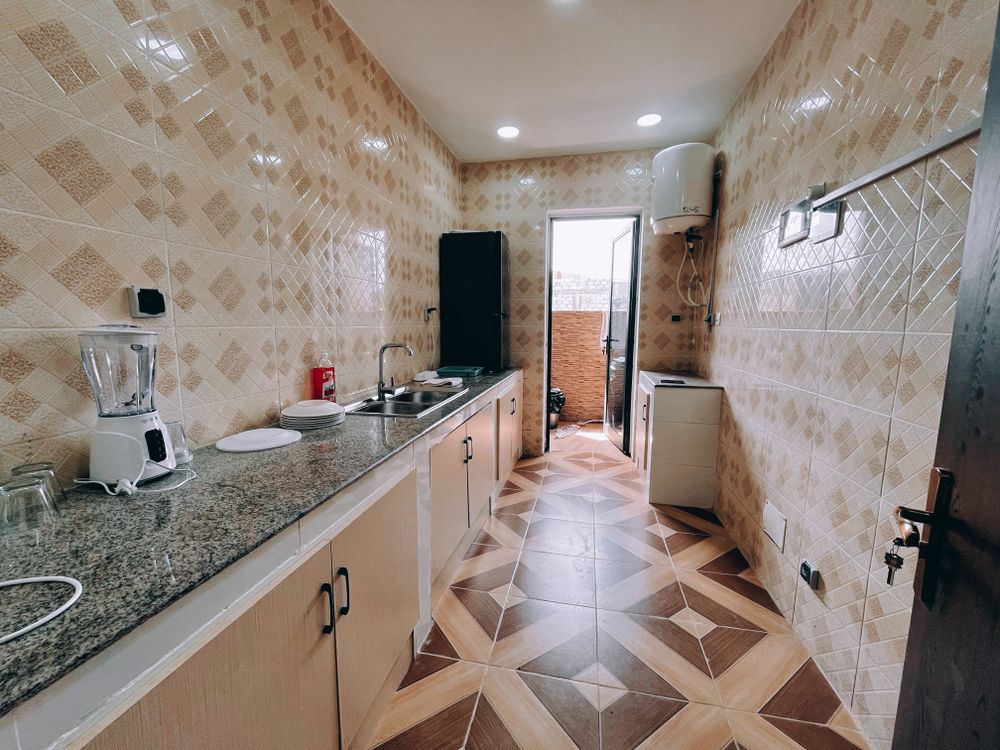
Heat and hard water
Why these parts wear out here
Two local conditions shorten the life of appliance connections. Heavy mineral content in the water builds scale inside valves, filter housings and fittings, and scale wears seals. Summer heat in garages and attics stresses plastic tubing, fittings and drain lines. Neither causes a leak on its own schedule, but together they explain why appliance leaks are so common in homes that are otherwise new.
Most of the original appliance connections in builder homes are basic parts. Replacing plastic ice-maker tubing with a braided line, and checking softener and RO connections when filters are changed, prevents a large share of these calls.
Price and plan explained before any work starts.
Talk Through an Appliance LeakA closer look
Water softeners and filtration systems
Because of the local water, softeners and reverse-osmosis systems are more common here than in most of the country, and they deserve their own mention. A softener in the garage has an inlet, an outlet, a bypass valve, a brine tank and a drain line that carries regeneration water to a drain or outside. An RO system under the sink has several filter housings, a storage tank, a faucet line and a drain connection.
Most leaks from these systems happen right after service: a filter housing not quite seated, an O-ring pinched, a push-fit connection not fully pushed home. Checking for drips an hour after any filter change, and again the next morning, catches most of them. A leak sensor on the cabinet floor or beside the softener costs little and does the watching for you.
Same-day leaks vs. weeks-long drips
How long the leak ran is the biggest factor. A refrigerator line caught the same day may need a morning of extraction and a few days of drying. A cabinet leak that ran for weeks may mean removing the cabinet base or toe-kick, drying the wall behind, and lifting flooring. Cabinets themselves can sometimes be dried; particleboard bases that have swollen usually can't be restored.
Pricing is explained before work begins. Your insurer is the only one who can say how your policy applies; take photos of the failed connection, and the contractor can provide documentation of the work performed.
Before the appliance goes back in
Once things are dry, repairs follow: cabinet bases or toe-kicks, drywall behind appliances, flooring. Before the appliance goes back, have the connection replaced with a better part and add a small leak sensor under the sink or behind the fridge. They're inexpensive and give early warning.
How the work is done
How appliance leak damage is dried and repaired
A slow, hidden leak needs careful measurement before anything else.
Stop and identify
The appliance valve is closed and the failed connection identified.
Measure widely
Readings are taken in cabinet bases, the wall behind, under flooring and in adjoining rooms.
Open cabinets and toe-kicks
Toe-kicks and sometimes cabinet bases are removed so air can reach the floor and wall.
Lift flooring if needed
Laminate or vinyl plank that traps water may be lifted in the affected area.
Dry and monitor
Air movers, dehumidifiers and targeted drying until readings are normal.
Repair
Cabinet parts, drywall and flooring are restored, and the appliance is reconnected with a better part.
These systems are everywhere here, and so are their leaks.
Call About Softener or RO LeaksAppliance leak questions
How do I know if my refrigerator is leaking?
Look for water at the front or sides, flooring that lifts or darkens nearby, or ice-maker trouble. Pulling the fridge out usually shows the supply line and fitting.
Can cabinets be saved after a leak?
Solid wood cabinets often can be dried. Particleboard bases that have swollen usually need replacing, though the cabinet boxes above may be fine.
Why does my water softener leak?
Softeners have several connections and a drain line. Loose fittings, worn seals and clogged drains are common causes. The softener installer or a plumber can repair it.
Where is the shut-off for my ice maker?
Often under the kitchen sink, behind the refrigerator, or on a line in the cabinet next to it. Some homes have it in the garage or a utility closet near the water heater.
What about my air conditioner leaking into the ceiling?
That's usually a clogged condensate line or an overflowing drain pan. An HVAC technician clears the line; the restoration crew dries the ceiling.
Will my laminate have to come up?
If water has spread underneath and planks have swollen, usually yes. Readings will show how far it reached.
How long does drying take?
Commonly a few days. Cabinet bases and walls behind appliances can take longer than open floors.
Do leak sensors really help?
Yes. A small sensor under the sink or behind the fridge alerts you to water early. Some connect to an automatic shut-off valve.
Should I replace the plastic ice-maker line?
Many plumbers recommend a braided stainless line instead. It's less likely to kink or split.
Why does my RO system leak after a filter change?
The most common reasons are a housing that wasn't tightened fully or an O-ring that was pinched or not lubricated. Check for drips an hour after any change and again the next day.
Other appliance and supply-line help
-
Washing Machine & Dishwasher Overflow
Hose bursts and overflows in laundry rooms and kitchens. -
Water Heater Leak Cleanup
Tank and fitting failures, often hastened by hard water. -
Tile & Laminate Floor Water Damage
Water trapped under hard flooring on a slab. -
Moisture Detection & Inspection
Meters and thermal imaging to find hidden moisture. -
Burst Pipe Water Damage
Split supply lines and failed fittings inside walls. -
Reconstruction & Repairs
Putting drywall, floors and finishes back after drying.
Water behind the fridge or under the sink? Let's check how far it went.
Readings, a plan and a price before anything starts.
A calm conversation and a local crew.
Get the Kitchen Floor Dried