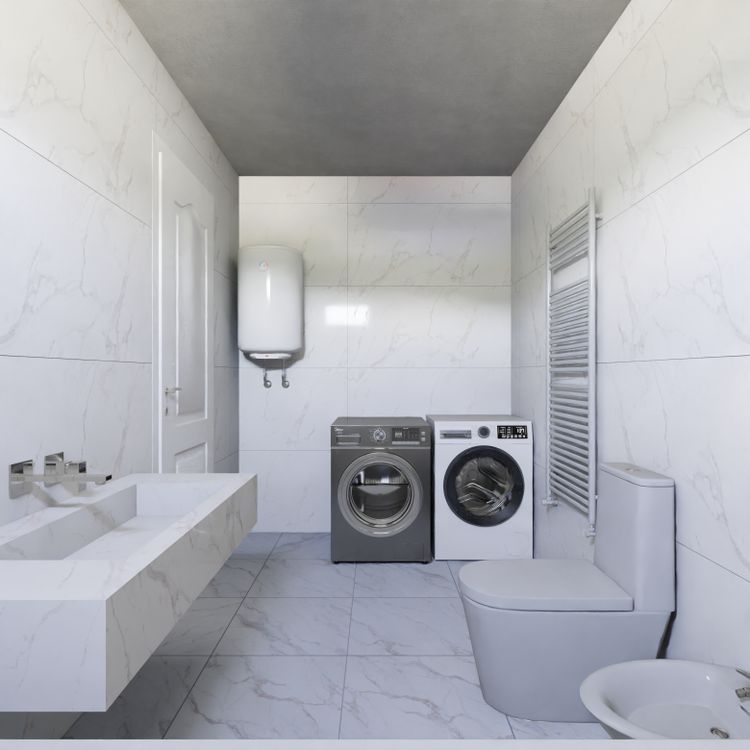
Laundry rooms and kitchens
Washing Machine and Dishwasher Overflow Cleanup in Sahuarita, AZ
Washers and dishwashers move a lot of water through hoses and valves that don't last forever. A burst washer hose can flood a laundry room in minutes; a dishwasher leak can hide under the cabinets for weeks. Both are common, and both dry out well when handled promptly.
Tell us which appliance and roughly how much water.
Laundry or Dishwasher Leak? (520) 650-1359- Available 24/7
- Emergency response
- Upfront pricing before work begins
- No hidden fees
- Workmanship guarantee on completed work
- Crews familiar with Santa Cruz Valley homes
First hour
First steps after an overflow
For a burst washer hose, an overflowing washer or a leaking dishwasher.
-
Close the valves
Washers have hot and cold valves in a box behind the machine. Dishwashers usually have a valve under the kitchen sink. If you can't reach them, close the main.
-
Stop the cycle
Turn the appliance off so it stops pumping or filling.
-
Keep clear of electrical
If water is near outlets or panels, do not enter and call your utility and emergency services.
-
Soak up the surface water
Towels and a mop help on tile. Don't spend hours on it; the water under the surface needs equipment.
-
Check the next room
Look at baseboards and flooring on the other side of the laundry room or kitchen wall.
-
Photograph the hose or fitting
And keep it if it's replaced.
If you're unsure where the valves are, call and we'll help.
Talk Through the OverflowThe problem
Where laundry and dishwasher water comes from
Washing machines
- Supply hoses split or burst, especially basic rubber hoses. Because they're under constant pressure when the valves are open, a burst hose keeps running.
- The drain backs up when the standpipe or drain line is partly clogged, overflowing at the back of the machine.
- Overfilling or oversudsing sends water out of the door or lid.
- Worn door seals on front-loaders drip a little with every load.
Dishwashers
- The supply line under the sink or behind the unit loosens or cracks.
- The drain hose or its connection to the disposal or sink drain leaks.
- The door gasket wears and lets water escape at the front.
- An internal leak drips onto the floor beneath the unit, where nobody sees it.
Local conditions
Why these leaks are so common here
Most homes in Sahuarita are modern, and most laundry rooms still have the washer hoses that came with the machine. Basic rubber hoses age with time and heat, and many laundry rooms sit next to garages or on exterior walls that get hot in summer.
Hard water leaves scale in valves and inlet screens, and it contributes to oversudsing when too much detergent is used to compensate. In two-story homes with upstairs laundry, a washer overflow can reach the ceiling below.
Dishwashers are usually installed on the slab under a continuous countertop, with flooring running beneath. Water from a slow leak spreads under the cabinets and across the floor, and the first sign is often lifting laminate or a swollen toe-kick.
Laundry rooms often share walls with bedrooms and hallways. We'll check them.
Call About the Laundry Room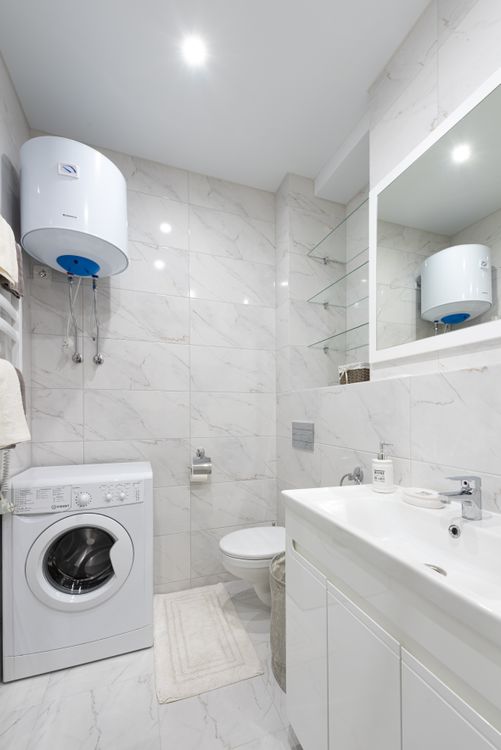
Clean or not
What kind of water it is
Supply water from a burst hose is clean. Water from a washer drain or dishwasher contains detergent, food residue or lint, and is treated as gray water. That affects what can be saved:
- Tile and sealed flooring clean up and dry well either way.
- Carpet may be saved after clean supply water; after gray water it's usually cleaned, and the pad is more often replaced.
- Cabinet bases are judged on how long they were wet and what they're made of.
Water that has sat for a day or more is treated more cautiously regardless of where it came from.
Water under kitchen cabinets is easy to miss. Readings will find it.
Get Help Under the DishwasherBeyond the laundry room
Shared walls, upstairs laundry and hidden spread
Laundry rooms in many Sahuarita floor plans sit between the garage and the living space, or share a wall with a bedroom or hallway. When a washer overflows, water reaches the bottom of those walls quickly and can pass underneath into the next room, especially where flooring runs continuously.
In two-story homes with upstairs laundry, water that escapes the machine goes into the floor structure and then the ceiling below. The first sign may be a stain or drip in the room underneath rather than water on the laundry room floor. A drain pan under an upstairs washer, piped to a drain, is one of the most useful upgrades in that layout.
Kitchen dishwashers tend to spread water under the cabinet run on either side and out into the room under the flooring. That's why the crew measures along the whole cabinet line rather than just in front of the dishwasher.
Why one overflow takes a day and another takes a week
A laundry-room overflow caught quickly on tile may need extraction and a few days of drying. A dishwasher leak that ran for weeks under cabinets can mean removing toe-kicks or cabinet bases, lifting flooring and drying the wall behind. Upstairs laundry overflows add a ceiling to the scope.
You'll hear the price before work begins. If you plan to contact your insurer, keep the failed hose and take photos; coverage depends on your individual policy, which only your insurer can interpret. A written record of the work performed is available from the contractor.
Afterward: small upgrades that prevent the next one
- Replace rubber washer hoses with braided stainless hoses.
- Close the washer valves when you're away for more than a few days.
- Put the washer in a drain pan, especially upstairs.
- Add a leak sensor behind the washer and under the kitchen sink.
- Consider an automatic shut-off valve for the washer or the whole house.
Once everything is dry, drywall, cabinets and flooring are restored; see reconstruction and repairs.
How the work is done
How overflow damage is cleaned up
The sequence is the same for laundry rooms and kitchens.
Stop the water
Valves closed, appliance off, source identified.
Measure
Readings on the floor, walls, cabinets and adjoining rooms, plus any ceiling below.
Extract
Standing water is removed; carpet is extracted and pad lifted if needed.
Open cabinets and walls where needed
Toe-kicks, cabinet bases or wall bottoms are opened so air can reach wet areas.
Clean and dry
Gray-water areas are cleaned, then dried with air movers and dehumidifiers.
Repair
Cabinets, drywall and flooring are restored once readings are normal.
Pricing is explained upfront, before work starts.
Ask About Wet CabinetsWasher and dishwasher overflow questions
How long do washing machine hoses last?
It varies with the hose type, heat and use. Basic rubber hoses age faster than braided ones. Many plumbers recommend replacing rubber hoses with braided stainless.
My dishwasher is fine but the floor in front is lifting. Why?
A slow leak under the unit can spread under the flooring before any water shows. Readings around the dishwasher will tell you.
Can kitchen cabinets be dried in place?
Often, if they're caught early. Toe-kicks are removed and air is directed into the cabinet base. Swollen particleboard usually needs replacing.
Is washer water dirty?
Drain water contains detergent and lint and is treated as gray water. Supply water from a burst hose is clean.
Should I turn off the washer valves after every load?
Many people close them when they travel. For everyday use, braided hoses and a leak sensor are a practical compromise.
What if the laundry room is upstairs?
An upstairs overflow can reach the ceiling below. The crew will check the ceiling and insulation as well as the floor.
Do I need a plumber?
If a valve, supply line or drain is at fault, yes. If a hose simply burst, it can often be replaced easily. The restoration crew handles the drying.
Can the appliance still be used?
Not until the fault is fixed and the area has been checked. Running it again can add water to materials that are already wet.
How long does drying take?
Commonly a few days, longer if cabinets or walls are involved.
Does a washer drain pan really help?
Yes, when it's piped to a drain. A pan without a drain holds only a small amount of water, which buys time but won't handle a burst hose.
Other laundry and kitchen leak help
-
Appliance Leak Water Damage
Refrigerator lines, ice makers and other connections. -
Water Extraction & Removal
Pulling standing water off slabs, carpet and tile. -
Tile & Laminate Floor Water Damage
Water trapped under hard flooring on a slab. -
Drywall Water Damage Repair
Removing wet drywall, drying the cavity, rebuilding. -
Ceiling Water Damage Repair
Stains, sagging drywall and wet insulation overhead. -
Structural Drying & Dehumidification
Drying planned for desert air and confirmed with readings.
Laundry room or kitchen flooded? Let's get it dried.
One call, a clear plan, and pricing upfront.
Calm help from a local crew.
Get the Overflow Cleaned Up