Offices, shops, clinics and HOA buildings
Commercial Water Damage Restoration in Sahuarita, AZ
When water gets into a business, the damage is only half the problem. The other half is keeping staff, tenants and customers working around it. The crews we dispatch plan extraction, drying and repairs around how your building is actually used.
Tell us the building type, the affected area and who's on site.
Commercial Water Loss? (520) 650-1359- Available 24/7
- Emergency response
- Upfront pricing before work begins
- No hidden fees
- Workmanship guarantee on completed work
- Crews familiar with Santa Cruz Valley homes
First hour
What to do right now at a business
A few calm steps protect the building, the people in it and your records.
-
Stay clear of electrical areas
If water is near outlets or panels, do not enter and call your utility and emergency services.
-
Stop the water if you can
Close the valve to the fixture or the building main. If the water is from a fire sprinkler line, call your fire protection contractor; they handle that system.
-
Move what matters
Lift inventory, files and equipment off wet floors and away from the water's path.
-
Tell the right people
Notify the owner, landlord, property manager or HOA board so decisions aren't delayed.
-
Photograph and call
Take photos of every affected area, then call us to get a crew moving.
Day, night or weekend. We'll coordinate with whoever has the keys.
Get a Crew to the BuildingThe problem
What commercial water losses look like here
Commercial buildings in the Sahuarita and Green Valley area range from small offices and medical suites to retail centers, restaurants, churches, warehouses and HOA clubhouses. The water sources overlap with homes, but the scale, the people involved and the cost of downtime are different.
What managers and owners typically notice
- Stained or sagging ceiling tiles after a storm or near rooftop equipment.
- Water spreading under carpet tile or across a sealed concrete floor.
- A restroom or kitchen supply line failure found when the doors open in the morning.
- Water behind a wall in a suite shared with a neighboring tenant.
- A leak from a water heater, ice machine or dishwasher in a back-of-house area.
Local conditions
Flat roofs, rooftop units and hard water
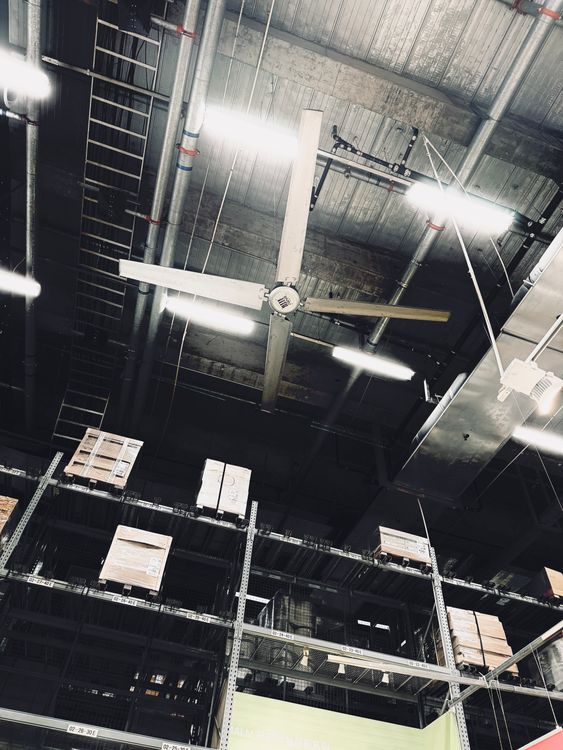
Most commercial buildings here have low-slope roofs with parapets, scuppers and rooftop HVAC units. During monsoon season, heavy rain can overwhelm roof drains, and water finds its way in at curbs, flashings and penetrations. Rooftop units also produce condensate, and a blocked or disconnected condensate line can drip into the ceiling for a long time before a tile stains.
Hard water affects commercial fixtures the same way it affects homes, only with more of them. Restroom flush valves, commercial water heaters, ice machines, coffee equipment and dishwashers all build up mineral scale, which contributes to valve and connection failures.
Roof repairs belong to a roofing contractor and HVAC repairs to an HVAC technician. The restoration crew deals with the water inside: extraction, drying, ceiling and wall removal where needed, and rebuilding.
Flat roofs and rooftop equipment are where many commercial losses start.
Call About a Rooftop Unit LeakKeeping the doors open
Working around a business that has to keep running
- Phased work: the building is divided into zones so unaffected areas stay open while wet areas are dried.
- Containment: plastic barriers separate work areas from customers and staff, and keep dust out of clean spaces.
- After-hours scheduling: noisy work, such as demolition, can be scheduled outside business hours where possible.
- Equipment planning: air movers and dehumidifiers need power and floor space; the crew plans placement and circuits with you.
- Records and inventory: files, stock and equipment can be moved, protected or packed out while the work is done.
Dry desert air helps here too. Large open commercial spaces often dry efficiently once standing water is removed and air is kept moving across wet materials.
Phased work and containment so more of the building stays usable.
Plan Drying Around Your BusinessWho's involved
Owners, tenants, managers and boards
Commercial losses often involve more than one decision-maker. A tenant may notice the water, a property manager may control access, the building owner may approve work, and an HOA board may be responsible for a clubhouse or common area. Getting the right person on the phone early keeps the work moving.
Questions about who is responsible for which repairs are answered by your own lease, management agreement or HOA documents, not by the restoration crew. What the crew can do is provide clear documentation of what was found, what was done, and the moisture readings from start to finish, which every party can use.
Keeping a business open while it dries
The size of the affected area, the materials involved, ceiling height, the amount of demolition, how the building must stay in use, and after-hours scheduling all shape a commercial job. Carpet tile over concrete dries differently from drywall partitions and suspended ceilings. Drying commonly takes several days, and larger buildings are monitored daily until readings are normal.
Pricing is explained to the owner or manager before work begins, including any after-hours scheduling. Only your insurer can say how a policy applies; the contractor can document the work room by room and suite by suite, so owners and tenants can each see their part.
Afterward: back to normal and less likely to repeat
After drying, the work moves into repairs: ceiling tiles and grid, drywall, paint, flooring and trim. Final readings and photos give managers and owners a clear record that the space was dry before it was closed up.
Prevention is simpler for a building than people expect. A roof and scupper check before July, regular condensate line maintenance on rooftop units, leak sensors in server rooms and back-of-house areas, and a posted note showing where the main shutoff is can all shorten the next incident considerably.
For multi-tenant buildings, it also helps to keep an up-to-date list of tenant contacts and after-hours numbers in one place, and to make sure at least one person on site at any time knows where the main shutoff and the fire sprinkler contractor's number can be found.
How the work is done
How commercial water damage restoration is done
Stop it, protect operations, dry, verify, rebuild.
Walk the building
The crew meets your contact, confirms the source is stopped and identifies affected zones.
Plan around operations
Zones, containment, schedule and equipment placement agreed with you.
Extract
Standing water removed from floors, carpet tile and low areas.
Remove and dry
Wet ceiling tiles, insulation and drywall removed where needed; air movers and dehumidifiers set.
Monitor
Readings taken daily and shared until materials are back to normal.
Rebuild and document
Repairs completed and a record of readings and photos provided.
Hours, scope and price agreed before the crew starts.
Talk Through After-Hours WorkCommercial water damage questions
Can my business stay open during the work?
Often, at least partly. Phased work and containment let unaffected areas keep operating while wet areas are dried.
Can work be done after hours?
Noisy work can often be scheduled outside business hours. Drying equipment usually has to run continuously.
What types of buildings do your crews handle?
Offices, retail, medical suites, restaurants, churches, warehouses and HOA clubhouses and common areas.
Who should call, the tenant or the owner?
Whoever finds the water can call. We'll help get the owner, manager or board involved quickly.
Do you repair the roof or rooftop unit?
No. A roofing contractor or HVAC technician repairs those. The restoration crew handles the water damage inside.
Why are rooftop units a common source?
Condensate lines can clog or disconnect and drip into the ceiling, and monsoon rain can enter at unit curbs and flashings.
How long does commercial drying take?
Commonly several days, depending on materials and size. Readings are taken daily until everything is back to normal.
Can you work around sensitive equipment or records?
Yes. Files, stock and equipment can be moved, protected or packed out before work starts.
Will I get documentation?
Yes. Moisture readings and photos from start to finish, plus a record of the work performed.
Can you help with an HOA clubhouse or common area?
Yes. The crew can coordinate with the board or management company on access and approvals.
Related services for buildings
-
Emergency Water Damage Restoration
Round-the-clock response to active leaks and fresh water losses. -
Flat Roof & Parapet Leak Damage
Ponding, scupper and parapet leaks on low-slope roofs. -
Water Extraction & Removal
Pulling standing water off slabs, carpet and tile. -
Structural Drying & Dehumidification
Drying planned for desert air and confirmed with readings. -
Ceiling Water Damage Repair
Stains, sagging drywall and wet insulation overhead. -
Reconstruction & Repairs
Putting drywall, floors and finishes back after drying.
Water in your building? Let's keep the business moving.
A local crew that plans around your operations and prices it upfront.
One call for managers, tenants and boards to get on the same page.
Ask About Tenant Spaces